How UNESCO’s new global guidance is helping schools turn sustainability from a classroom lesson into a way of life. Education has always been a powerful driver of change. But as the world faces growing environmental, social and economic challenges, the question is no longer simply what students should learn, but how education can prepare them to build a more sustainable future.
In September 2026, UNESCO introduced three new guidance tools designed to strengthen Education for Sustainable Development (ESD) within education systems worldwide. The initiative marks an important step towards making sustainability an integral part of how schools operate, how teachers teach and how students engage with the world around them.
Developed through UNESCO’s Transforming Futures project between 2024 and 2026, the guidance was informed by research and practical experiences from 41 educational institutions across 10 countries, including Brazil, Germany, Japan, Kenya and Malaysia.
Sustainability education is about more than teaching students about climate change, recycling or environmental protection. It is about developing the knowledge, values and practical skills needed to make responsible decisions and contribute to stronger communities.
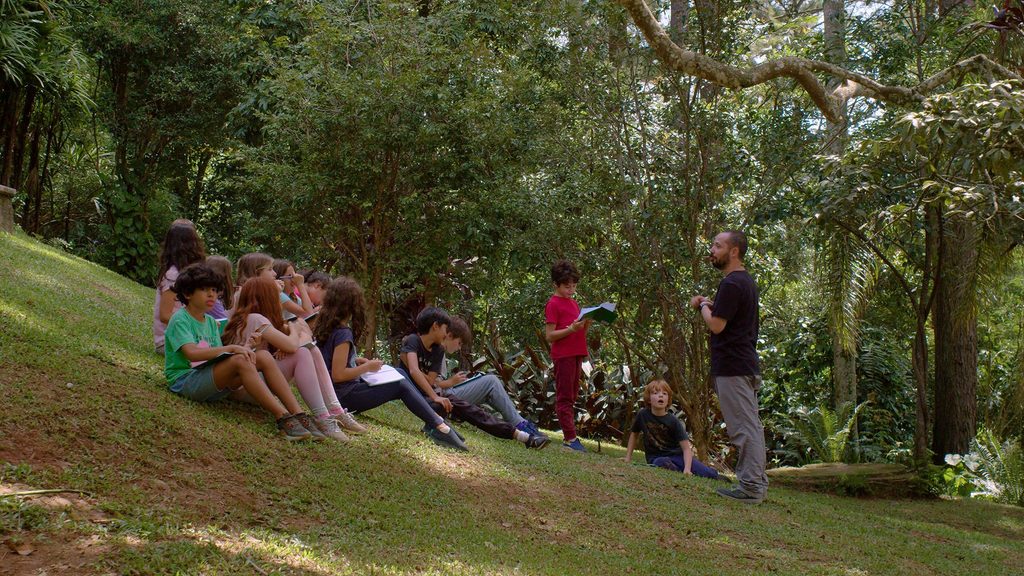
UNESCO’s first guidance tool encourages a whole-institution approach, where sustainability becomes part of school leadership, daily operations, learning environments and community partnerships.
This means schools can become living examples of the principles they teach, integrating responsible resource use, collaboration and environmental awareness into everyday activities.
The second guidance tool focuses on transforming teaching and learning. Rather than relying solely on traditional classroom instruction, it encourages critical thinking, creativity, collaboration and problem-solving.
Students are encouraged to explore real-world challenges, develop solutions and understand how their actions can make a difference. The third tool addresses an equally important question: how can educators measure meaningful learning beyond examination results?
UNESCO promotes assessment approaches that recognise not only academic knowledge but also the competencies, values and capacity to act that students develop through sustainability education. Together, these approaches aim to prepare young people not simply to understand global challenges, but to participate actively in solving them.
The significance of this initiative extends beyond schools and universities. By bringing sustainability into education systems, UNESCO is helping connect learning with broader goals of social responsibility, environmental protection and inclusive development.
The guidance tools will also contribute to discussions ahead of the UNESCO World Conference on Education for Sustainable Development, scheduled for 13–15 January 2027 in Nairobi, Kenya, where youth participation will be a central focus.
As education systems continue to evolve, one message is becoming increasingly clear: preparing students for the future means giving them the confidence, skills and opportunities to help shape it. A sustainable world begins with informed minds, empowered communities and education that inspires action