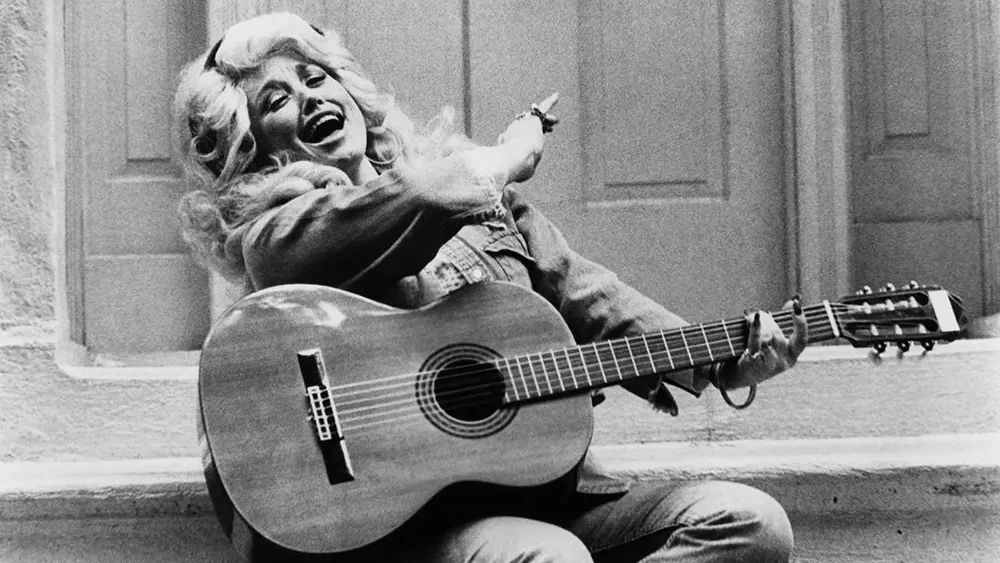
Dolly Parton was never simply a country singer. She became something much rarer: a cultural figure who seemed capable of bringing together people who otherwise had very little in common. Traditional country fans adored her, younger pop audiences embraced her, churchgoing Southerners recognised something familiar in her values, and LGBTQ communities celebrated her flamboyance, humour and refusal to apologise for being exactly who she was. Few celebrities managed to cross so many cultural lines without appearing to abandon the place they came from.
That broad affection became especially visible after her death, when tributes arrived from musicians, actors, political figures and ordinary fans around the world. People shared songs, childhood memories, trips to Dollywood and stories about receiving books through her Imagination Library. For many, the loss felt unusually personal. Parton had spent decades in public life, but she rarely felt remote. Behind the rhinestones, wigs and carefully cultivated glamour was a public personality people believed they understood.
She Never Treated Her Roots as Something to Escape
Born into a large family in rural East Tennessee, Parton grew up with very little money. Appalachia shaped not only her music but also the way she spoke about family, ambition, poverty, faith and belonging. Even after becoming one of the most recognisable entertainers in the world, she never presented her childhood as an embarrassing chapter that success had allowed her to leave behind.
Instead, she repeatedly returned to it. Her songs were filled with mountain landscapes, mothers sewing clothes, people leaving home and the complicated feelings that come with trying to build a life somewhere else. “Coat of Many Colors,” one of her most enduring songs, transformed childhood poverty into a story about love and dignity. The coat in the song has little financial value, but because Parton’s mother made it for her, it becomes something precious. That emotional logic helped define much of Parton’s work: money mattered, but it was never the only way she measured wealth.
Her business decisions also kept her closely connected to Tennessee. Dollywood became a major tourism destination in the Smoky Mountains and helped support employment and economic activity throughout the region. At the same time, the park incorporated Appalachian crafts, music and traditions rather than treating the area simply as a backdrop for roller coasters. Parton became enormously successful without suggesting that success required becoming embarrassed by where she started.
The Image Was Artificial, but the Warmth Felt Real
Parton understood better than almost anyone that celebrity involves performance. Her blonde wigs, exaggerated makeup, rhinestones and revealing costumes were deliberately theatrical. She joked constantly about her appearance and never pretended that the glamorous version of Dolly Parton seen on stage had appeared naturally one morning in the Tennessee mountains.
Yet that obvious artificiality made the sincerity underneath it more striking. Audiences could see that the image was constructed, but they also sensed that the humour, generosity and politeness were not simply props. Parton had created a public character based on traits that appeared to be genuinely hers and then amplified them for the stage.
That distinction matters because authenticity does not always mean appearing completely unfiltered. Every public figure chooses what to reveal and what to emphasise. Parton’s particular skill was in creating a persona that could survive for decades without feeling hollow. She was glamorous without acting superior, funny without constantly making someone else the target, ambitious without pretending she had simply stumbled into success, and self-aware enough to make the joke before anyone else could.
Her Kindness Was More Than Part of the Brand
The strongest evidence for Parton’s generosity was not what she said in interviews but what she repeatedly chose to do. Her Imagination Library, launched in Tennessee in 1995, began with a remarkably simple idea: send free books to young children. The project was inspired partly by her father, who could not read or write, and eventually expanded far beyond Tennessee to reach families in multiple countries.
Its appeal was partly in its simplicity. Children did not have to win a competition or become part of an elaborate programme. Books simply arrived in the mail. Over the years, millions of families came to know Parton not through a concert or movie but through the children’s books delivered to their homes.
Her philanthropy extended well beyond literacy. In 2020, Parton donated $1 million to COVID-19 research at Vanderbilt University, helping support research associated with the development of Moderna’s vaccine. The story attracted global attention because it seemed almost surreal that one of America’s most famous country singers had become connected to one of the most important scientific efforts of the pandemic. Yet it also fit the pattern of her public life: she saw wealth and celebrity as resources that could be used rather than simply displayed.
She Was Comfortable With Fame, but Suspicious of Worship
Parton’s attitude toward public admiration was one of the more interesting contradictions in her career. She clearly enjoyed performing and understood the power of celebrity, but she often seemed uncomfortable with the idea that fame automatically made someone deserving of reverence.
When Tennessee lawmakers proposed placing a statue of her at the state Capitol during the pandemic, Parton asked them not to move forward with it at that time. She said the moment did not feel appropriate for putting her on a pedestal. The response was characteristically gracious but also revealing. She did not reject appreciation; she simply appeared wary of turning celebrity into sainthood.
That instinct may explain why so many people trusted her. Parton seemed acutely aware that fame creates influence, and influence can easily become a form of power. Rather than treating admiration as proof that she was always right, she often spoke as though it created an obligation to behave carefully.
She Knew That Influence Came With Responsibility
Parton rarely allowed political movements to claim her completely. That occasionally frustrated people who wanted her to make stronger public declarations, and critics sometimes argued that avoiding controversy was simply good business. There was undoubtedly business intelligence involved. Parton was far too accomplished an entrepreneur not to understand the commercial value of remaining broadly loved.
But her restraint also appeared to reflect a larger philosophy. She tended to express her values through actions rather than constant declarations. She supported children’s literacy, contributed to medical research, helped communities affected by disasters and repeatedly spoke about treating people with dignity. She did not seem to believe that possessing a large audience meant she had to turn every question into a political statement.
In the social-media era, that approach looks increasingly unusual. Modern celebrity often rewards outrage, instant opinions and the transformation of every cultural issue into a test of allegiance. Parton’s ability to remain recognisable to people on very different sides of America’s social divides became one of her greatest strengths.
Beneath the Sweetness Was a Tough Businesswoman
It would be a mistake to interpret Parton’s kindness as weakness. Her career required an extraordinary amount of determination, particularly in a country music industry that was heavily dominated by men when she entered it.
Her relationship with Porter Wagoner provides one of the clearest examples. Wagoner’s television programme helped introduce Parton to a national audience, but eventually she wanted an independent career. Their professional separation was difficult, and Parton responded in the most Dolly Parton way imaginable: she wrote “I Will Always Love You.”
The song was gracious, affectionate and final at the same time. It demonstrated a quality Parton seemed to possess throughout her life: the ability to say no without necessarily turning rejection into hostility.
Her handling of the song’s publishing rights revealed an even tougher side. Elvis Presley wanted to record “I Will Always Love You,” but his manager reportedly demanded a substantial share of the publishing rights. Parton refused. Turning down an Elvis Presley recording was an extraordinary decision for a songwriter, but she understood the long-term value of her work and was unwilling to surrender ownership simply because a more powerful man wanted it.
Years later, Whitney Houston’s version became one of the most successful recordings of the modern era. Parton’s decision proved enormously valuable, but more importantly it showed that beneath the smiling public persona was a woman who understood exactly what her work was worth.
Her Appeal Crossed Boundaries That Usually Divide People
Parton’s ability to attract such different audiences is one of the most interesting parts of her legacy. Her Christianity and Appalachian background made her familiar to many conservative Americans, while her exaggerated femininity, theatrical fashion and attitude toward individuality helped make her an icon among LGBTQ fans. Neither group seemed to require her to become someone else before accepting her.
Part of this came from her humour. She could acknowledge differences without treating them as threats. Part of it came from refusing to present herself as morally superior. And part of it came from the fact that people rarely felt she was trying to shame them into joining her side.
That does not mean Parton existed without beliefs or disagreements. It means she understood something about social life that has become increasingly difficult to practise: people do not have to agree about everything before treating one another with affection and respect.
Why Dolly Parton Worked So Well in the Social-Media Age
Ironically, Parton came from an era before social media but possessed qualities that made her enormously shareable online. Her jokes became memes, old interview clips resurfaced constantly, younger artists covered her songs and generations who had never watched her early television appearances discovered her through short videos and streaming platforms.
But unlike many personalities built primarily through social media, Parton’s reputation rested on decades of accumulated behaviour. A viral quote was usually attached to a much larger story. A funny clip might lead to a song, which might lead to her philanthropy, which might lead to the story of how she protected her publishing rights or invested in Tennessee.
That depth helped her avoid feeling like a temporary internet obsession. Social media did not create Dolly Parton; it simply gave successive generations new ways to discover why their parents and grandparents had already loved her.
She Made Ambition Look Generous
Perhaps one of the most valuable aspects of Parton’s story is that she never treated kindness and ambition as opposites. She wanted enormous success and achieved it. She wrote thousands of songs, built businesses, starred in films, created a tourism empire and carefully protected her intellectual property.
At the same time, she maintained a reputation for generosity that survived decades of scrutiny. She demonstrated that being financially successful did not require pretending money was unimportant, and being kind did not require giving away control of your career.
Her version of success was not modest in scale. It was modest in attitude. She seemed perfectly happy to become extremely wealthy and famous while continuing to laugh at herself.
Why Dolly Parton Felt Different
The word “authentic” is used so often in celebrity culture that it has almost lost its meaning. Parton offered a more complicated and perhaps more useful version of authenticity. Her hair was artificial. Her costumes were theatrical. Her stage persona was carefully developed. None of that prevented the person underneath from appearing genuine.
What remained consistent were the values beneath the performance: work hard, remember where you came from, protect what you create, help people when you can, laugh at yourself, and avoid treating fame as proof of moral superiority.
Those ideas travelled remarkably well. They made sense in the Tennessee mountains and in Hollywood, among country fans and drag performers, among grandparents who remembered her earliest songs and young people discovering her decades later.
That may be the clearest explanation for why Dolly Parton became more than an entertainer. Her music created the fame, but her character expanded the audience. In a culture that increasingly sorts people into opposing camps, she managed to become a figure many of those camps could claim without taking her away from everyone else.
The rhinestones made Dolly Parton unforgettable. The songs made her immortal. But her rarest achievement may have been something much simpler: she gave millions of people who disagreed about almost everything else one person they could still agree to love.