
Trader Joe’s customer experience hinges on turning employees into knowledgeable guides who proactively educate shoppers, fostering trust and repeat visits. Staff roam aisles restocking shelves while offering personalized product recommendations, pairings, and taste insights from ongoing training like regular product tastings. This approach educates customers on unique items — from seasonal specialties to value-packed private labels — making shopping an interactive learning adventure rather than a chore.
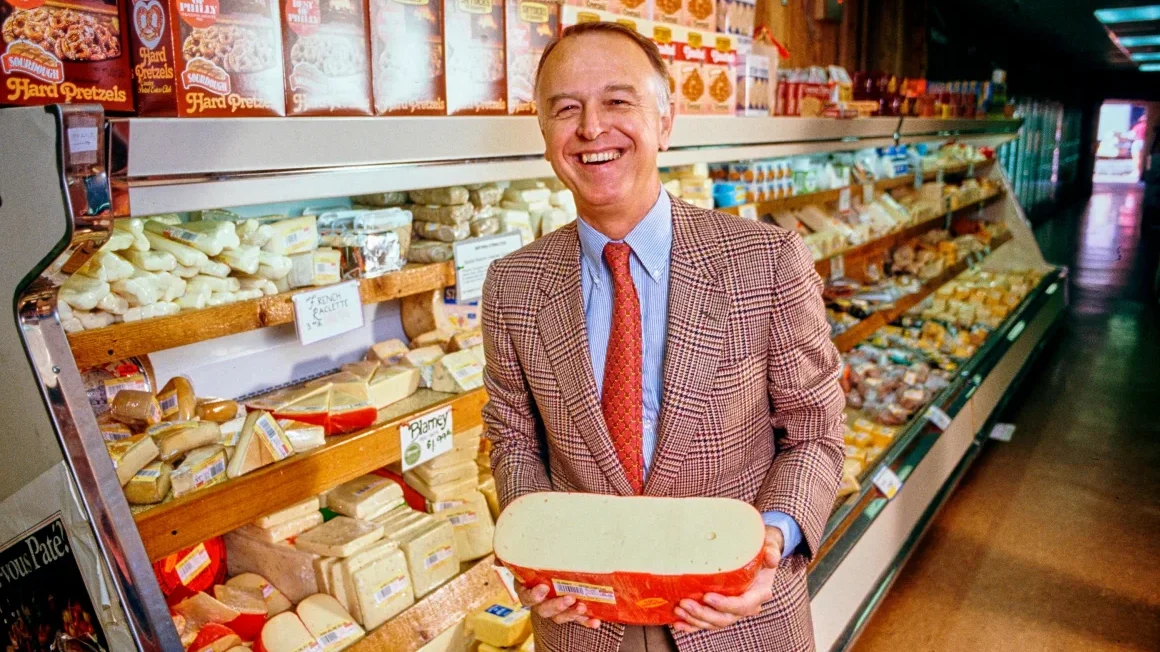
Brands elsewhere can replicate this by prioritizing employee upskilling; Trader Joe’s invests in 10 days of initial training and competitive wages above minimum, yielding turnover as low as 4% and enthusiastic service. The lesson: Educated staff create informed customers, boosting satisfaction scores like Trader Joe’s top ACSI rankings.
High employee investment yields visible results: crew members in Hawaiian shirts exude positivity, building genuine connections that make customers feel seen and valued. They go beyond scripted help, sharing favorites or suggesting meals, which educates while humanizing the brand. Harvard Business Review notes this “good jobs” model — solid pay, benefits for part-timers, and fun culture — outperforms low-wage competitors in service and profits.
Other retailers can learn by auditing training programs; integrate real-time learning tools like apps for product knowledge or role-playing scenarios, ensuring staff confidently educate on sustainability, nutrition, or innovations. Result: Employees as brand ambassadors elevate everyday interactions into memorable lessons.
Trader Joe’s invites customer voices through multiple channels — store contacts, corporate lines, FAQs — and acts on them, like curating the “Fearless Flyer” newsletter previewing monthly exclusives. This educates subscribers on new arrivals, meal ideas, and stock tips, closing the loop from feedback to value. Transparency builds advocacy, with fans creating content praising the brand.
Competing brands should implement similar systems: Use post-purchase surveys or AI chatbots to gather insights, then share “how we listened” updates via apps or emails, teaching customers their input shapes offerings. Tools like customer analytics platforms mirror Trader Joe’s consolidation of feedback into actionable education.
Subtle details educate through delight: Cheerful music, fresh flowers at entry, kid scavenger hunts, and a checkout chime that sings instead of beeps create an immersive environment. These teach approachability — conversational language, seasonal planning via flyers — turning visits into shared stories.
For broader application, audit sensory elements: Playlists that match brand vibes, kid-friendly zones with learning games, or apps gamifying loyalty with tips. Trader Joe’s proves these micro-lessons compound into cult-like loyalty without heavy marketing spend.
Trader Joe’s success teaches that customer experience design is education in action: Empower staff, listen actively, and infuse joy to make functional shopping profound. Other brands can start small — pilot one tactic like “aisle experts” — measuring uplift in Net Promoter Scores. The payoff: Customers who learn to love your brand become evangelists.