
The sun breaks over rolling hills. Dew glistens on leafy vines, rows of vegetables stretch across terraces, and somewhere, the scent of fresh bread or roasting coffee calls out. For many modern travellers, these are not just scenes in postcards—they are invitations: to taste where your food came from, to walk the soil, to live a day in harmony with the land. Farm-to-table tourism, once a niche, is rapidly becoming a defining mode of travel—one that merges sustainability, sensory delight, culture, and deeper connection.
What Is Farm-to-Table Tourism?
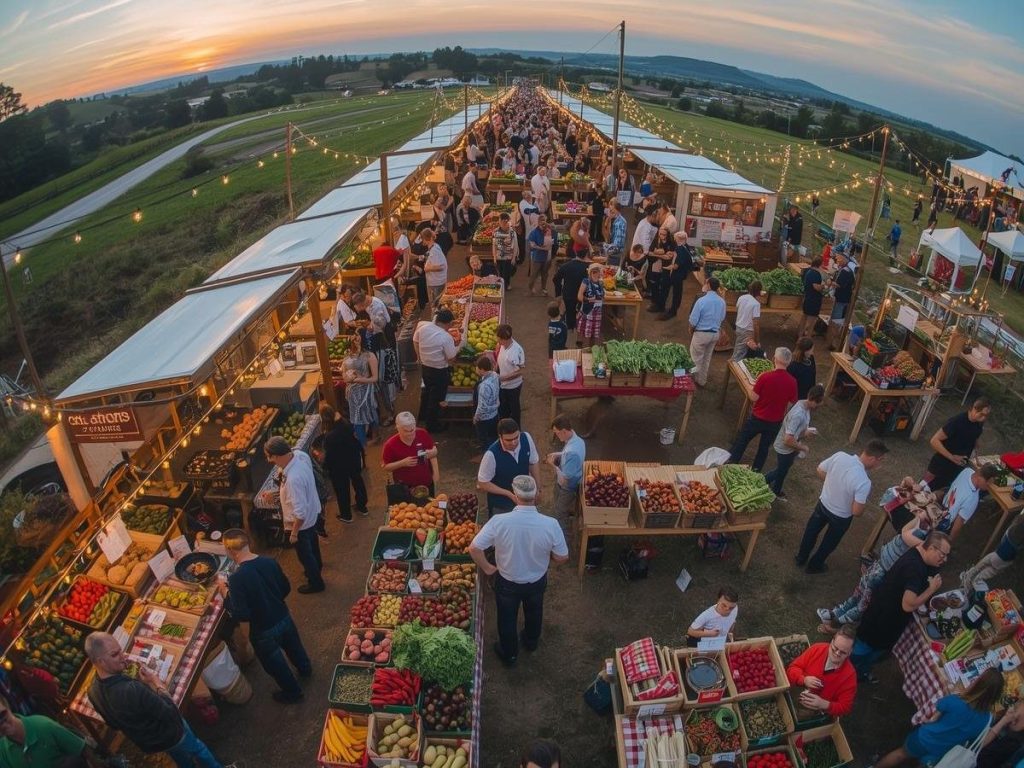
Farm-to-table tourism (also called agritourism with a culinary angle) refers to travel experiences where visitors stay on working farms, plantations, or vineyards; learn about how food is grown, harvested, processed; and eat food that is as fresh and local as possible—often dishes made from produce just harvested. It can include cooking classes, vineyard or tea garden walks, visits to beehives, or even staying in a barrel house by a vineyard. It’s about transparency, simplicity, and reconnecting with the origin of what we eat.
Early Seeds: Legends and Roots of Food and Land
Across cultures there are stories that tie people to land and food in mythical ways. In ancient Greek myth, Demeter, goddess of harvest, taught mankind to till the land; when she grieved her daughter Persephone’s abduction, all crops died until her return—showing agriculture’s centrality to life. In Mayan tradition, the maize god is born from the earth, symbolizing that corn (and thus food) comes directly from nature.
These legends reflect something universal: that food is more than nutrition—it is identity, myth, memory. Farm-to-table tourism brings us back to those roots, letting visitors walk the fields, hear the stories, and taste the vegetables in a way that feels primal and sacred.
Global Examples: Where Farm-to-Table Is Flourishing
Latin America: Finca Luna Nueva, Costa Rica
In the cloud forests of Costa Rica, Finca Luna Nueva Lodge combines eco-tourism with organic farming. Turmeric, cacao, exotic fruits are grown on-site. Visitors can tour the farm, learn about butterfly gardens, herbal medicine, and then dine on food harvested that morning. The vivid tropical flavours, paired with lessons in ecology, make for an immersive experience.
Europe: Provence, France & Basque Country, Spain
Provence’s rolling lavender, olive groves, and vineyards have, for centuries, fed locals and travellers alike. Today, farm-to-table stays in Provence include family-run vineyards, olive farms, and cooking workshops where travellers pick olives, press oils, and prepare rustic Provençal meals. Similarly, in Spain’s Basque Country, restaurants like Azurmendi integrate greenhouses and local farmers to craft menus rooted in seasonal produce.
North America: Napa Valley, USA
In California’s Napa, Sonoma, and nearby regions, travellers can stay on vineyard estates, pick grapes during harvest, visit organic vegetable producers, pair food with wine, or participate in cooking with chefs who source nearly all ingredients from nearby farms. These tours allow you to understand the terroir—not just in wine, but in vegetables, herbs, and even dairy.
Asia: Tea, Coffee, Plantation Stays in India
India offers a rich variety: tea plantations in Darjeeling, Assam; coffee estates in Coorg; spice gardens in Kerala. Mentioned examples include plantation trails by accommodation brands (e.g. Ama Stays & Trails) which allow guests in villas or bungalows set in tea, coffee, or spice estates to walk among the crops, to breathe in the aroma, and to taste local flavours that often do not reach standard tourist circuits.
One interesting lodging in India is the Barrel House in Nashik vineyard’s Soma Vine Village — here guests stay inside a life-size wine barrel, combining novelty with vineyard exploration.
What Makes These Journeys Special
Through narratives from both places and people, certain common threads emerge:
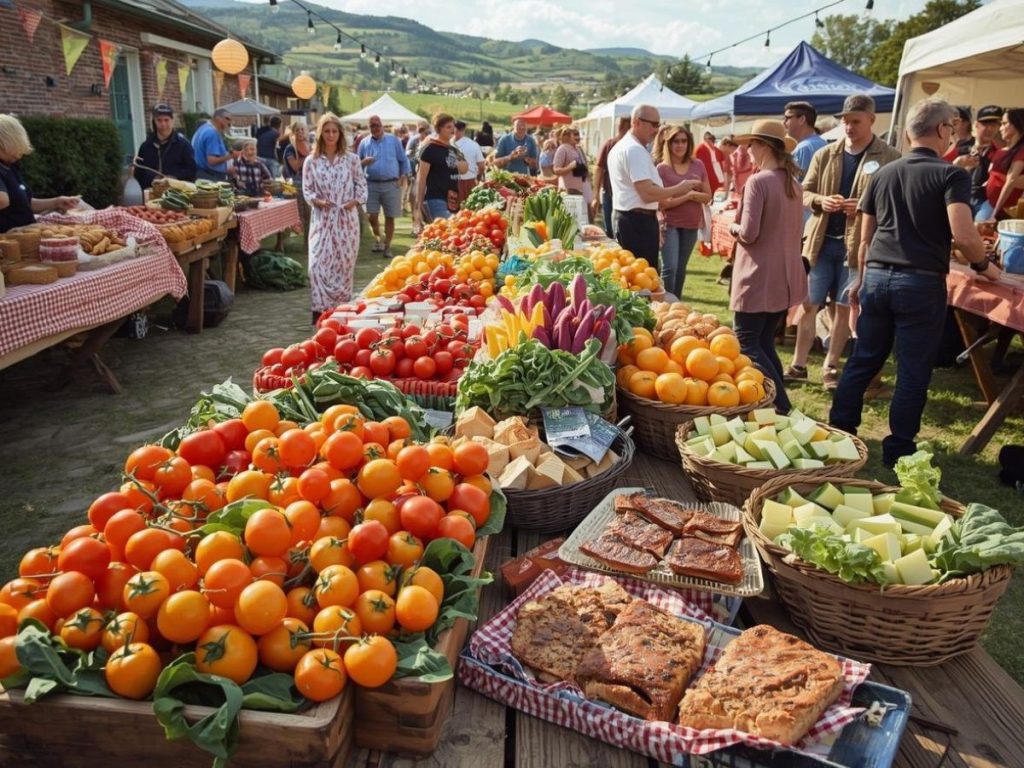
- The Story Behind the Plate: You eat a tomato, but also consume the narrative: how it was grown without pesticides, by which family, in what soil. For example, at Finca Luna Nueva, you see cacao trees, you taste a piece of chocolate derived from them, and you understand the connection.
- Hands-on Participation: Many farm-to-table experiences invite guests not only to taste but to farm—harvest, pick grapes, forage herbs, feed chickens, press olive oil. This creates empathy—understanding the labor, the seasonality, the risks. In global examples like “Supra Trails” (in Georgia) guests bake bread in clay ovens, pick grapes and make wine in qvevri, learn local music while sitting under the stars.
- Vintage Lore and Myth Embedded in Place: Some vineyards claim that a particular grape strain was planted centuries ago, or that local spirits protect the grove. For example, old estates in France or Italy sometimes preserve legends that planting by monks a thousand years ago gave rise to certain fruit trees, or that certain rows of vines were a gift to a local saint. These stories—real or apocryphal—imbue the land with mystique.
- Sustainability and Eco-Responsibility: Organic farming, reducing food miles, composting, biodiversity, supporting local communities—all these are integral. Guests want more than beauty; they often want that beauty to be ethical. Resorts like Zanzibar White Sand Villas, or hotels in Portugal’s countryside, emphasize sourcing food from their own gardens, composting waste, and working with local farmers.
Storytelling: A Day in the Life of a Farm-to-Table Traveller
Imagine arriving at a coffee plantation in Coorg just before dawn. Mist hovers over green bushes; the air is crisp and moist. A guide leads you through the farm; dew drops on new leaves, you pluck a cherry from a coffee plant, inspect its ripeness. The owner, whose family has farmed this land for generations, tells you a legend: that during the monsoons, a wild leopard used to come and drink water from the same stream the plants depend on—and that seeing its reflection is considered a blessing, a sign of good harvest.
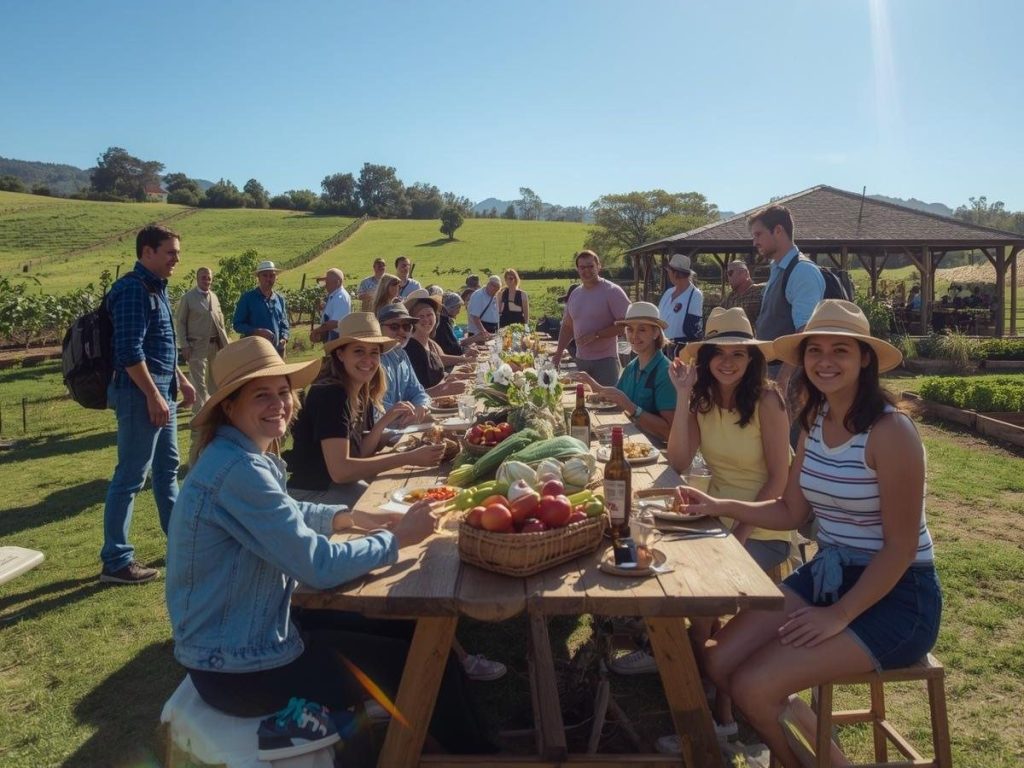
You return for breakfast: coffee brewed from freshly roasted beans, local jackfruit jam, freshly baked bread, eggs from chickens that roam free. You join the plantation workers to help sort beans or tend planting beds. In the evening, perhaps a long table under the sky, candlelight, children chasing fireflies, songs, laughter. The meal is simple, local, but tastes intensely of place.
Challenges & Critiques
- Over-commercialization: With popularity comes risk. Sometimes authenticity gets lost; farms become Instagram backdrops rather than genuine producers.
- Seasonality and weather vulnerability: If harvests fail, or weather is extreme, the guest experience suffers.
- Social fairness: If farm-to-table stays exploit labour or do not compensate local farmers fairly, the sustainability claim rings hollow.
- Accessibility and cost: These stays are often more expensive; not accessible to all travellers, potentially reinforcing divides.
Why It’s Rising & Why It Matters
Several forces are pushing farm-to-table tourism into the mainstream:
- Desire for authenticity: In an age of global chains and sameness, travelers crave something rooted—food that tastes like place.
- Concern for sustainability: Climate change, food miles, environmental damage make local, organic, regenerative agriculture more attractive.
- Wellness and decentralization of travel: Slow travel, wellness retreats, offbeat stays are on the rise. Farm-to-table puts you in nature, slows your pace.
- Cultural tourism: Eating local food, hearing legends, participating in rituals—these are cultural experiences as much as culinary ones.
Global Case Study: “Supra Trails” in Georgia, Qvevri Wine & Bread
One vivid example comes from the country of Georgia. Travellers are being invited on “Supra Trails”: immersive agritourism circuits combining vineyard work, wine fermented in ancient clay qvevri, communal supra feasts (long tables under the sky), where bread is baked in communal ovens, local cheese is shared, wine flows, folk singing echoes. The supra is more than a meal—it is ritual, hospitality, social bond. Guests are not passive consumers but participants in a centuries-old tradition. Some legends say that grapes grown in certain microclimates near Alazani Valley are favoured by gods for their sweetness; elders guard varietals planted by ancestors who emancipated Georgia from Persian rule, using the vineyard as a symbol.
Advice for Travellers & Hosts
For Travelers:
- Stay longer than a night: early mornings and late evenings are when farms show their soul.
- Ask about seasonality: what is being harvested now? What is local?
- Be open: maybe the food is simpler than a fine-dining restaurant, but more rewarding.
- Respect local practices, rituals, and people.
For Hosts / Entrepreneurs:
- Maintain authenticity: source locally, preserve traditional methods.
- Tell stories: legends, family lore, origin of farm, seed stories. These deepen connection.
- Share labour and profits: involve local workers fairly, offer meaningful experiences, not just photo ops.
- Invest in sustainability: organic or regenerative soil methods, water conservation, reducing waste.
On the Plate, On the Land
Farm-to-table tourism is more than a trend—it’s a shift in how people want to travel, eat, and understand their place in the world. It asks us to slow down, to taste deeply, to connect with the land, with the seasons, with people whose hands grow our food. In a world moving fast, there is something profoundly healing in picking a tomato that you eat soon after, sipping wine from grapes harvested on the hillside you slept on, breathing in the soil as dawn breaks in a coffee plantation. For the international traveler, these are journeys that feed not just the belly but the imagination, the heart, and our shared sense of belonging to the soil beneath our feet.