
Fashion is often celebrated as a powerful form of self-expression. It allows people to communicate their personality, culture, confidence, and creativity without saying a word. Yet for many men, getting dressed each day is not simply about expressing themselves—it is about navigating a complex set of unspoken rules. From a young age, boys are often taught that their appearance should be practical, neat, and understated. While girls are generally encouraged to explore colours, patterns, accessories, and different styles, boys are frequently guided toward safer choices. As a result, many men grow up believing that fashion should not attract too much attention.
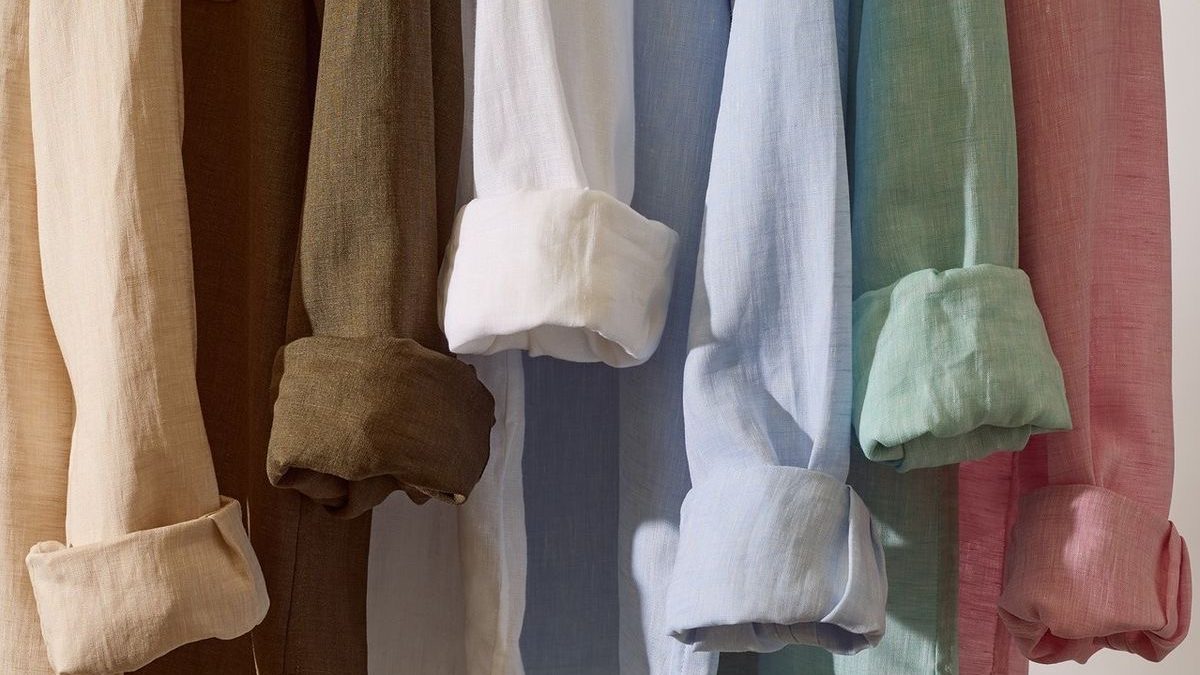
This creates an invisible pressure: the burden of looking appropriate while suppressing the desire to look expressive. Many men find themselves caught between what they genuinely like and what they believe society expects them to wear. They may admire vibrant colours, handcrafted embroidery, statement accessories, or unconventional silhouettes, but hesitate to incorporate these elements into their own wardrobes. The fear is rarely about the clothing itself. Instead, it stems from concerns about how others might react.
Questions such as “Will people think this is too bold?” or “Will I be judged for wearing this?” often influence decisions before an outfit is even chosen.
At the heart of this issue lies society’s long-standing relationship between masculinity and appearance. Traditional definitions of masculinity have often promoted restraint, simplicity, and conformity. Men are expected to look polished but not overly concerned about fashion. They are encouraged to dress well, but not so well that it appears they are trying too hard.
These silent expectations can make fashion feel less like a creative outlet and more like a social test.
The fear of judgment is especially noticeable during important social occasions. Weddings, festivals, parties, and professional events often become moments where men carefully calculate what feels acceptable. Many choose outfits that blend in rather than stand out, prioritizing comfort within social norms over personal expression.
However, attitudes toward menswear are slowly evolving.
A new generation of designers, influencers, and consumers is challenging outdated ideas about masculinity and fashion. Men are increasingly embracing richer colour palettes, artistic craftsmanship, jewellery, draped silhouettes, and traditional textile techniques. Social media has also played a significant role in normalizing diverse styles and encouraging individuality.
Today, confidence is no longer defined solely by fitting into established norms. Increasingly, it is being defined by authenticity—the ability to wear something because it reflects who you are rather than what others expect you to be.
Fashion experts believe this shift represents more than just changing trends. It signals a broader cultural movement toward self-expression and personal freedom. Men are beginning to realize that style does not have to be limited by rigid ideas of masculinity. Clothing can be both expressive and masculine, creative and confident.
The conversation around men’s fashion is ultimately about choice. It is about giving men the freedom to experiment, explore, and express themselves without fear of criticism or judgment.
Because fashion should never be about fitting into a box. It should be about feeling comfortable, confident, and authentic in your own skin. As society continues to challenge traditional expectations, perhaps the most important trend emerging in menswear is the freedom to simply be yourself.