
At issue is a draft resolution tabled by Vanuatu that seeks to reinforce last year’s ICJ advisory opinion: that countries have a legal obligation to act on climate change because of its “existential threat” to humanity. The ruling marked a turning point in international law, potentially opening the door for nations most affected by climate disasters to hold major emitters accountable.
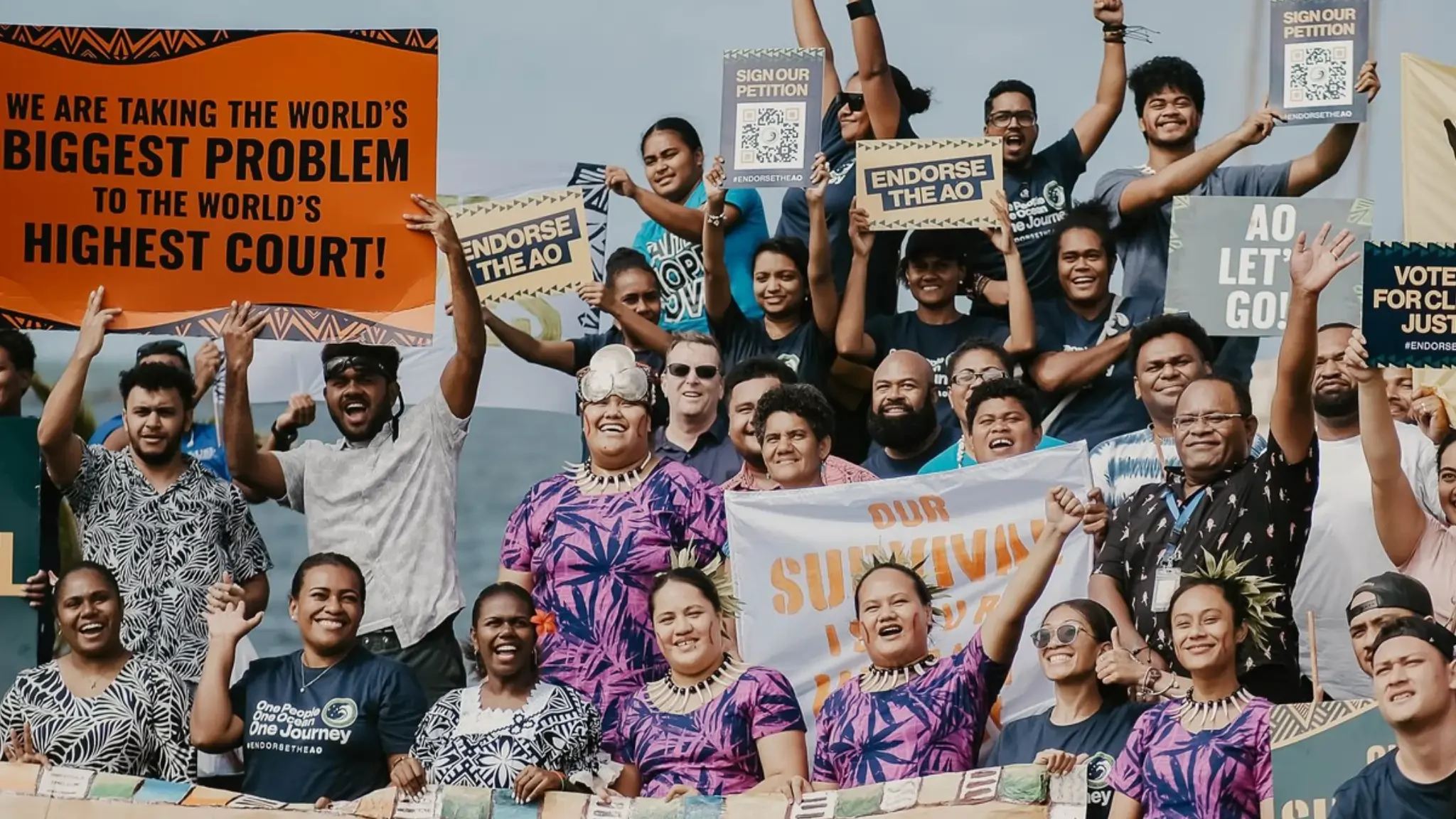
But not everyone is celebrating. Washington has “strongly objected” to Vanuatu’s initiative, directing its embassies to persuade the island nation to withdraw the resolution. The cable argues that the ICJ opinion is based on “speculative climate models” and could trigger “misguided claims of international legal obligations.”
For many observers, the U.S. reaction underscores a widening divide between climate-vulnerable nations calling for justice and major powers wary of legal liability. “Governments should live up to their obligation to protect human rights by protecting the environment,” said Louis Charbonneau of Human Rights Watch, urging the international community to resist political intimidation.
Vanuatu’s ambassador to the UN, Odo Tevi, remains undeterred. Backed by more than a dozen countries—including Barbados, Colombia, Kenya, and the Netherlands—he insists that the resolution would enhance, not hinder, global cooperation. “The ICJ opinion brings clarity,” Tevi told reporters, stressing that his country aims to secure a vote by the end of March.
The contrast could not be starker. While Vanuatu—whose very existence is threatened by rising seas—frames the issue as a matter of survival, the U.S. administration under Donald Trump continues to dismantle multilateral climate frameworks. Trump’s “drill, baby drill” energy policy has already seen the U.S. exit the UN Framework Convention on Climate Change and threaten sanctions at other global bodies addressing carbon emissions.
For Vanuatu and its allies, the fight transcends diplomacy. It’s a moral stand against what they see as indifference by industrial giants. For the U.S., it’s a defense against the unforeseen ripple effects of a legal precedent that could reshape global accountability.
In a world fast approaching critical climate thresholds, this clash is more than a bureaucratic dispute—it’s a mirror reflecting two visions of justice. One rooted in responsibility and survival; the other in sovereignty and economic power.