An Erasmus+ partnership brings cycling, agritourism and vocational education together, offering practical tools for safer, more inclusive rural tourism rooted in local food, culture and community. A cycling route through the countryside can offer far more than beautiful scenery. It can introduce travellers to family farms, regional food traditions and the people who shape a destination. It can encourage longer stays and create opportunities outside the peak tourist season. These possibilities, however, depend on careful planning, cooperation, suitable infrastructure, professional skills and an honest understanding of sustainability.
This is the challenge behind BikeAgriTourism: Green Paths Connecting Food Heritage and Sustainable Tourism During the Low Tourist Season in Remote Areas. Implemented between September 2024 and August 2026, the Erasmus+ Small-scale Partnership in vocational education and training brought together EUth Wonders e.V. in Germany, Igor Vitale International srl in Italy and the Municipality of Patmos in Greece.
Rather than promoting cycling and agritourism separately, the project explored how they could reinforce one another through connections between routes, farms, food producers, cultural heritage, tourism services and vocational learning. Its openly accessible resources include a multilingual manual, a digital course and AgriBike routes developed in participating areas. These support trainers, tourism professionals, agritourism operators, cycling providers and communities seeking to respect local identity while responding to changing visitor expectations.
From a Promising Idea to a Professional Practice
Cycling tourism and agritourism have complementary strengths. Travelling by bicycle gives visitors time to notice landscapes, small settlements and local businesses. Farms and rural enterprises can provide food, rest, learning and direct contact with local people. Together, these activities can spread visitors across a wider area and draw attention to less-visited places.
Putting the idea into practice is more demanding. A scenic route may be unsafe. A welcoming farm may lack bicycle facilities. An online description may promise accessibility without giving travellers with disabilities the information they need. A tourism experience promoted as sustainable may deliver little value to local producers.
BikeAgriTourism approached these challenges as questions of professional competence. Rural and island destinations need relevant skills, shared methods and tools that can be adapted to their circumstances. Vocational education and training therefore sits at the centre of the project. It can help operators assess routes, establish partnerships, manage risks, communicate accurately and design experiences that are environmentally responsible and economically realistic.
The BikeAgriTourism Manual
The project’s principal educational resource is the 122-page BikeAgriTourism Manual, organised into six practical chapters. Its focus is not sustainability as an abstract ambition, but the everyday decisions involved in connecting cycling with agritourism.
The first chapter addresses collaboration. Farms, accommodation providers, bicycle-rental businesses, guides, food producers, municipalities and training organisations may serve the same visitors without working as a coordinated network. The manual explains how partnerships can create integrated experiences, including cycling routes with farm visits, food tastings, workshops and seasonal tourism packages.
This cooperation is particularly relevant in remote destinations, where small organisations may lack the capacity to develop, promote and deliver a complete visitor experience independently. Sharing knowledge, facilities and communication channels allows partners to build a broader offer while keeping local products and stories at its centre.
Another chapter examines the regulatory environment, with particular attention to Greece and Patmos. It introduces issues concerning traffic and visitor safety, rental services, food provision, environmental protection and cultural heritage. The chapter is not a substitute for current legal advice. Instead, it highlights the need for operators to identify the rules applying to each activity and verify them before delivering an experience.
Equipment, Safety and Informed Preparation
A memorable cycling experience must also be manageable. The manual examines bicycle types, essential accessories and the technical equipment required for agritourism settings, taking account of terrain, weather and the demands of mountain, coastal and rural environments. These choices affect more than comfort. They influence participation, risk management and whether an itinerary suits its intended audience. Families, experienced cyclists and visitors using adapted cycles may require different equipment, information and support.
Emergency management receives a dedicated chapter focused on prevention, preparation and clear response procedures. It covers route assessment, essential equipment, staff responsibilities, communication and practical exercises that prepare teams for incidents. The emphasis is on applying knowledge in real operating conditions. What should participants know before departure? Who checks the equipment? How should providers assess weather and route conditions? What happens when the original plan is no longer safe? By addressing these questions, the manual moves training beyond general awareness towards the practical responsibilities that determine whether an experience is professionally managed.
Inclusion Begins with Route Design
Disability inclusion is presented as a starting point for tourism planning, rather than something added after an experience has been designed. The manual introduces adapted cycling options, including handcycles, tandem bicycles, recumbent cycles and wheelchair-compatible bicycles. It also examines the wider conditions affecting participation: route surfaces, gradients, rest points, signage, accessible facilities, transport connections and the quality of information available before a visit.
Providing an adapted bicycle is not sufficient when the route is unsuitable, facilities are inaccessible or reliable information is unavailable. Inclusion depends on the whole experience. For trainers and operators, accessibility becomes a professional quality standard. Clear descriptions of route difficulty, surfaces and available support help travellers make informed decisions. Prepared staff and respectful communication contribute to safety and confidence.
The manual does not claim that every route can meet every person’s needs. Instead, it encourages accurate information, thoughtful planning and options that widen participation wherever local conditions allow.
What Makes a Route Genuinely Green?
The final chapter brings together mobility, food, culture, environmental responsibility, accessibility and visitor learning through the identification of green routes for AgriBike tourism. Its central message is that cycling alone does not make a tourism experience sustainable. Operators must also consider how visitors reach the starting point, whether routes protect sensitive places, how waste and resources are managed and whether local communities receive tangible benefits. Environmental claims should be specific and supportable, rather than vague promises.
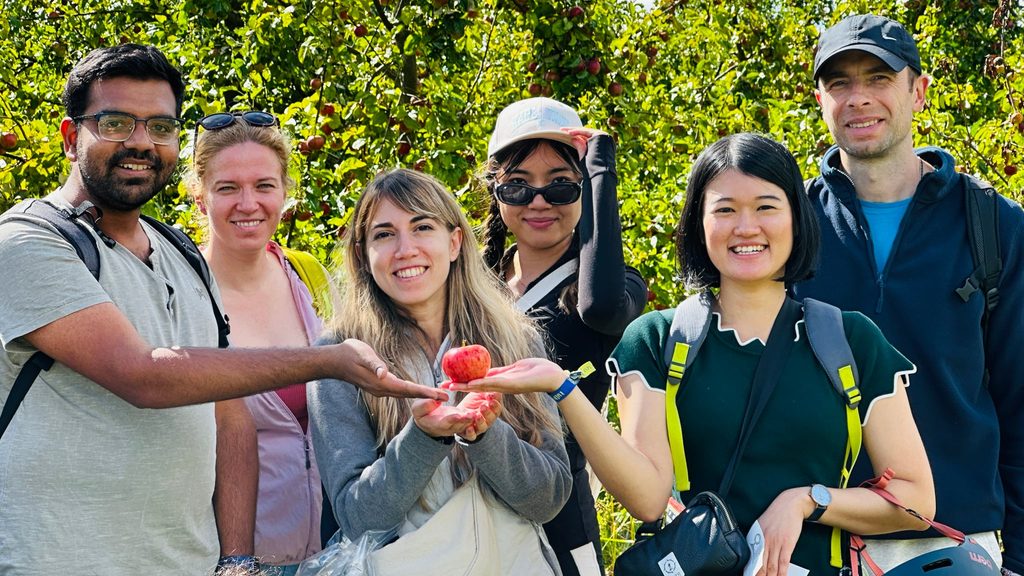
The manual proposes criteria covering route safety, accessibility, environmental conditions, cultural and gastronomic content, and the transparency of participating businesses. It encourages careful selection of local partners and clear explanations of what makes a route or service environmentally responsible. Food heritage is especially important. A farm visit or tasting offers more than a product when visitors learn where it comes from, how it is made and why it matters to the community. The route then becomes a learning environment, not simply a succession of stops.
Learning from Patmos, Bonn and the Gargano Area
The manual developed alongside local activities and transnational exchange, connecting its educational approach with the realities of different destinations. In Patmos, partners explored the island’s road network, cultural sites, agricultural activity and food traditions. This offered practical insight into the opportunities and constraints of cycling tourism in an island setting, where landscape, heritage and mobility must be considered together.
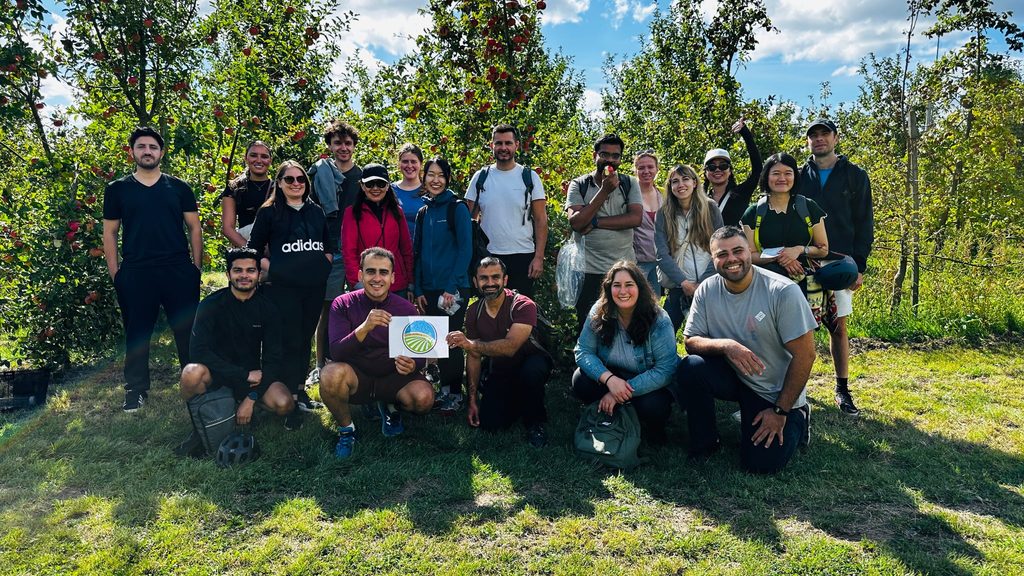
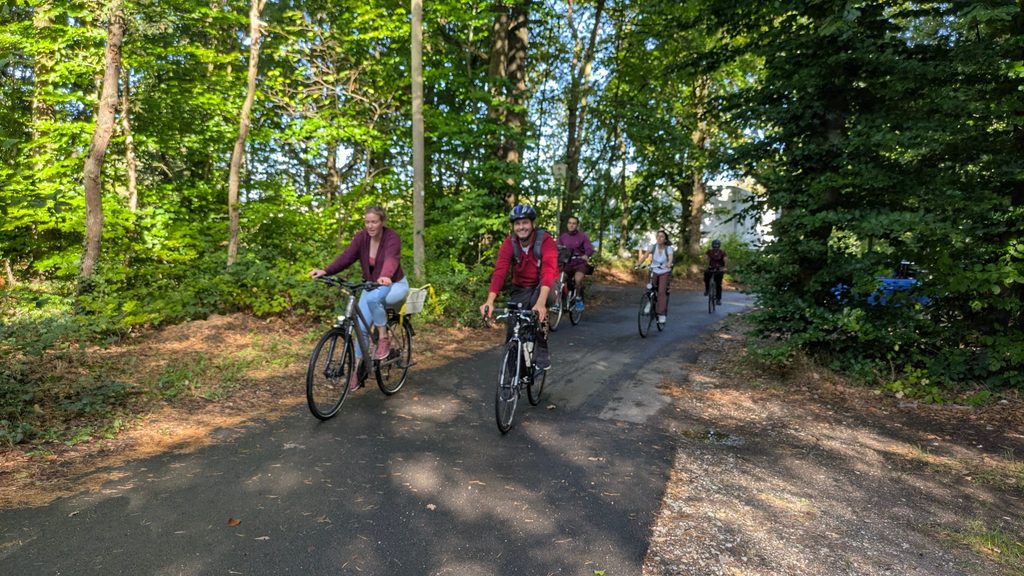
In Bonn, cycling and agricultural activities demonstrated how nearby farms and seasonal products can form part of an accessible tourism narrative. In Italy’s Gargano area, activities connected cycling, local food and community encounters within the destination’s particular geographical and seasonal conditions.
These experiences reinforced the need for local adaptation. A standard route model cannot simply be transferred from one region to another: terrain, climate, infrastructure, business capacity, cultural heritage and visitor profiles all shape what is feasible. Alongside the manual, the BikeAgriTourism website presents a three-module digital course and 22 route listings from Germany, Italy and Greece. The routes illustrate how cycling can connect rural landscapes, cultural attractions and local food experiences.
A Resource Designed for Use and Adaptation
Available in English, German, Italian and Greek, the manual can support structured training across the participating countries. Its six chapters can also be used independently, according to an organisation’s needs. A bicycle-rental provider might focus on equipment and safety. A tourism trainer could use the partnership and route-design sections in a learning programme, while a municipality might concentrate on accessibility and destination planning.
This flexibility reflects the project’s position across several professional fields. No single organisation controls the entire visitor experience. Progress depends on people working in tourism, agriculture, mobility, education and local government understanding one another’s responsibilities.
The manual offers a shared starting point through questions, examples and planning considerations suitable for classrooms, staff workshops and local partnership meetings. Rather than promising one solution to every rural tourism challenge, it provides a practical framework for better-informed community choices.
Tourism That Moves at the Pace of a Place
BikeAgriTourism presents slow travel as a relationship between people, skills and places. The bicycle provides the connection, but the journey’s value comes from the landscapes encountered, food tasted, knowledge shared and local organisations able to participate. For remote and island communities, the opportunity is not simply to attract more visitors. It is to develop tourism that fits local conditions, supports activity beyond the busiest months and gives residents a meaningful role in how their destination is presented.
The manual turns this ambition into an adaptable, teachable practice. It asks professionals to look beyond promotion and consider the complete experience: partnership, legality, equipment, safety, inclusion, environmental responsibility and local value. A genuinely green path is therefore more than a cycling itinerary. Carefully designed, it can become a route through a community’s living heritage and a practical classroom for those shaping the future of rural tourism.
BikeAgriTourism was co-funded by the Erasmus+ Programme of the European Union under KA210-VET, Small-scale Partnerships in vocational education and training. Project reference: 2024-1-DE02-KA210-VET-000254312.