
The Human Cost of Economic Crossfire
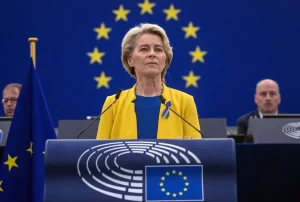
As the European Central Bank (ECB) slashes interest rates for the eighth time in just over a year—this time to 2%—headlines have focused on inflation, trade balances, and political chess…
As the European Central Bank (ECB) slashes interest rates for the eighth time in just over a year—this time to 2%—headlines have focused on inflation, trade balances, and political chess…
In today’s consumption-driven world, it’s easy to imagine a future shaped by innovation, ethics, and environmental responsibility. Yet recent findings from McKinsey’s consumer survey reveal a more sobering reality: sustainability,…
Amid escalating trade tensions, shifting geopolitical landscapes, and internal economic headwinds, confidence among European businesses in China has hit a record low. But beyond the headlines of declining profits and…
A chilling new warning from the European Central Bank (ECB) has put droughts at the forefront of economic risks facing the Eurozone. According to the ECB, prolonged water shortages driven…

In a cultural landscape once dominated by fashion weeks and viral TikTok dances, a quieter revolution is taking place—one not dictated by what’s “in” this week, but by what feels…
Imagine a world where mobile phones are no longer needed to stay connected, where you can send a message, make a call, browse the web all with a simple thought. This is the vision behind Neuralink, a brain-machine interface being developed by Elon Musk’s company. By directly linking the human brain to digital devices, Neuralink could potentially replace mobile phones offering faster, more accessible communication without need for screens or keyboards. But this technology has raised certain challenges and ethical dilemmas mainly in the domain of security and privacy raising significant questions about the future of human communication and interaction.
Heatwaves have a profound economic impact globally, with estimated annual losses potentially reaching $2.4 trillion by 2050 due to reduced labour productivity and increased healthcare costs. Agriculture suffers significantly, with crop yields expected to decline by up to 10%, exacerbating food insecurity and driving up prices. Additionally, the surge in energy demand for cooling strains infrastructure and boosts costs, highlighting the urgent need for climate resilience and adaptation measures.
War fuels US arms giants, creating jobs but leaving a human cost. These companies thrive on conflict, with soaring defence budgets feeding their dominance. However, ethical concerns arise: is prosperity built on suffering sustainable? As technology advances, the economic benefits rise, intertwined with geopolitical shifts and moral dilemmas. This complex dance between war and profit begs the question: can we achieve peace with an industry fuelled by conflict? Did the developed countries forget the lessons of humanities for the profits ?
Drones are transforming sectors like defence, medical, and agriculture with precision surveillance, rapid medical deliveries, and efficient crop monitoring. This article delves into their advantages, such as enhanced security, improved healthcare access, and increased agricultural productivity. However, challenges like regulatory hurdles, privacy concerns, and potential misuse also arise. This article highlighting both its potential and the need for careful management.
Gen Z’s digitally driven investing approach has greatly changed the financial landscape. Unlike their parents who were reliant of advisors, Gen Z look up to social media influencers and podcasts for their financial knowledge. This has led them to embrace riskier assets with higher returns and prioritize wealth creation over stability. Which approach is better for the modern world? And is the Gen Z really better at investing than their parents or is their approach unnecessarily risky and not financial smart in the new financial era?