Kevin Chou is a technology entrepreneur and investor best known for building and scaling companies at the forefront of mobile gaming and global esports. After years of leading high-growth ventures, his work has increasingly centered on long-term impact—applying technology, execution, and scale to challenges around access, affordability, and empowerment beyond traditional profit-driven models, with a growing focus on climate and energy equity.
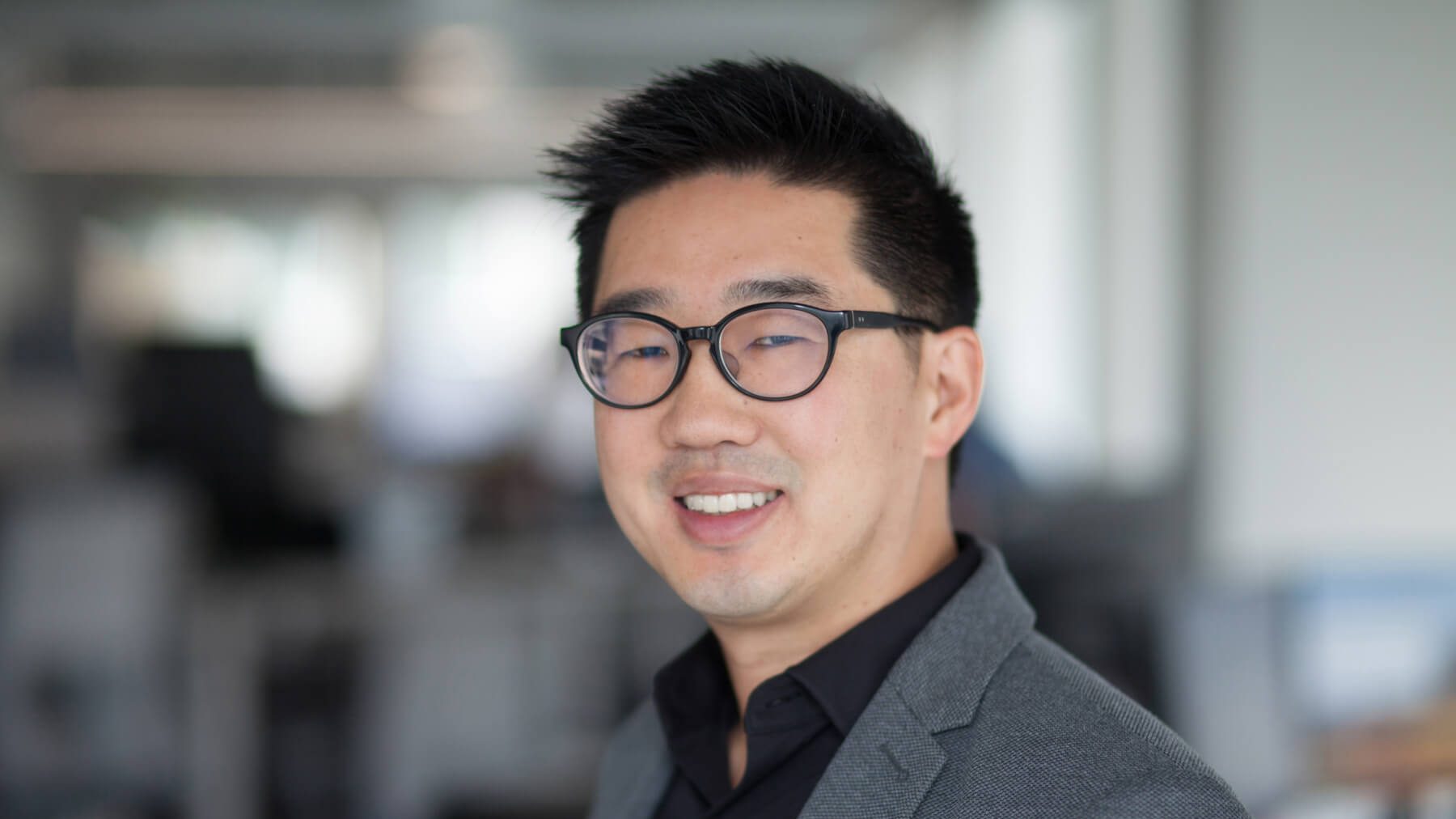
The Social Digest: You’ve served as the CEO of Kabam, Executive Chairman of Gen.G Esports, and as a Trustee at the University of California. Now, you’ve embarked on a new journey by founding a non-profit organization. What inspired you to transition from leading major business ventures to creating a non-profit initiative?
For most of my career, I focused on building businesses — creating products people loved, building teams, and proving that new industries could exist at scale. Over time, especially as I became a parent and spent more time thinking about the world my kids will inherit, my definition of “impact” changed. Climate change and energy affordability stood out to me as both massive and deeply personal problems. Energy costs are rising, people feel powerless, and most clean energy solutions are still designed for the wealthy or for homeowners. Founding a nonprofit was a way to apply everything I’ve learned — technology, scaling, storytelling, and execution — toward a problem where the market alone isn’t moving fast enough. I didn’t see it as leaving entrepreneurship behind, but rather applying it to a mission where success is measured in empowerment and access, not just financial returns.
The Social Digest: Esports has evolved into a billion-dollar industry. What initially attracted you to this space, and how do you see its future in the next decade?
What attracted me to esports early on was how organic it was. This wasn’t something invented by corporations — it was born from players, communities, and competition. It reminded me of the early days of the internet, where passion came first and infrastructure followed. Over the next decade, I think esports will mature in the same way traditional sports did — with better governance, more sustainable economics, and deeper integration into education, media, and culture. I’m less focused on headline valuations now and more interested in whether the ecosystem creates long-term careers for players, coaches, creators, and operators. The real opportunity is building institutions that last, not just moments of hype.
The Social Digest: What were the toughest decisions you faced as a CEO, and how did you learn to balance vision with execution?
The hardest decisions were always people decisions — when to double down on a team or strategy, and when to change course, even if it meant admitting a previous bet was wrong. Vision without execution is just storytelling, but execution without vision leads to incrementalism. I learned that clarity is the CEO’s real job. When the vision is clear, execution becomes a series of aligned decisions rather than constant firefighting. That meant being honest about tradeoffs, saying no far more often than yes, and accepting that not every good idea fits the moment the company is in.
The Social Digest: Having witnessed multiple waves of innovation — from mobile gaming to Web3 — what excites you most about the next phase of technology?
What excites me now is technology becoming less about novelty and more about leverage. We’re entering a phase where small teams can create outsized impact — whether that’s through AI, distributed manufacturing, or distributed energy systems. I’m particularly interested in technologies that quietly change everyday life rather than chasing attention. The next wave won’t just be about new platforms; it will be about lowering barriers — making things cheaper, simpler, and more accessible to people who were previously excluded.
The Social Digest: How do you view the intersection of AI, gaming, and human creativity? Do you think AI will enhance or diminish creativity in the long run?
I strongly believe AI will enhance creativity, not diminish it — but only if we’re intentional about how we use it. In gaming, AI can remove friction: faster prototyping, smarter NPCs, richer worlds. That frees humans to focus on taste, narrative, and emotional resonance — the things machines still don’t truly understand. The danger isn’t AI replacing creativity; it’s humans outsourcing judgment. Creativity has always been shaped by tools — from engines to editors to cameras. AI is just a more powerful one. The question is whether we use it to amplify human intent or to avoid thinking altogether.
The Social Digest: Integrating renewable energy into the grid and scaling it globally is going to be a major challenge. What solutions do you propose, or what kinds of solutions are you currently working on to address this issue?
One of the biggest misconceptions is that solving climate change requires everyone to wait for massive infrastructure or policy breakthroughs. Those matters — but so does empowering individuals right now. The work I’m doing focuses on radically lowering the barrier to clean energy adoption. That means solutions that work for renters, for low-income families, and for people who don’t have the time or capital to navigate complex systems. Plug-in, modular, user-owned energy is a powerful complement to the grid — it reduces strain, increases resilience, and gives people immediate savings and agency. Scaling renewable energy isn’t just an engineering challenge; it’s a distribution and trust problem. People need solutions that feel practical, dignified, and worth adopting today.
The Social Digest: What advice would you give to young founders across the world who want to build companies that create both profit and purpose?
First, be honest about your motivations. Purpose doesn’t replace discipline — it raises the bar for it. If you want to do meaningful work, you have to be even more rigorous about execution, incentives, and sustainability. Second, don’t confuse storytelling with impact. It’s easy to sound mission-driven; it’s harder to build something people genuinely rely on. Focus on solving a real problem for a real group of people, and let growth come from usefulness, not hype. Finally, remember that careers are long. You don’t have to solve everything in your first company. Learn, compound experience, and stay open to the idea that your most important work might come later than you expect.
The Social Digest: When you think about your long-term legacy, what impact do you hope to leave on the tech ecosystem and on future leaders?
I hope my legacy is showing that we can evolve — that success in one chapter doesn’t define the limits of the next. I want future leaders to see that building companies, building communities, and building public good are not separate paths. If there’s one thing I hope people take away, it’s that technology should ultimately increase human agency. Whether in games, energy, or education, the goal is the same: give people more control over their time, their choices, and their future.
This interview was conducted by Vansh Shah, The Social Digest on 22/01/2026. If you have any interview recommendations or have a story that you want to share with our readers, get in touch with our editor Vedant Bhrambhatt, at editor@thesocialdigest.com