
For a healthcare distributor operating at national scale, lower emissions are only part of the story. The real measure of progress is whether sustainability improves access to medicines, strengthens communities and supports workers through change.
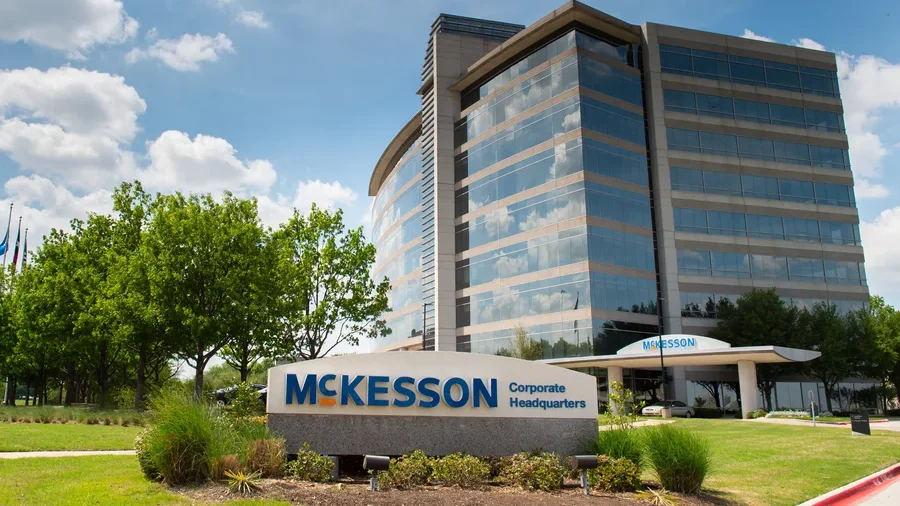
A healthcare supply chain is more than a logistical system. It is part of the social infrastructure that determines whether medicines reach patients on time, whether cancer care is available close to home and whether the environmental cost of healthcare is reduced rather than transferred to vulnerable communities.
McKesson’s latest impact reporting offers an example of how environmental action can intersect with these everyday social outcomes. The company says it has completed 72% of the progress required to meet its goal of reducing operational Scope 1 and Scope 2 emissions by 50.4% by fiscal year 2032, compared with a fiscal year 2020 baseline. Renewable sources supplied approximately 32% of the electricity used in its buildings during fiscal year 2026.
These figures matter beyond corporate carbon accounting. Climate change and air pollution affect public health, while extreme weather can undermine the reliability of healthcare infrastructure and critical services. For a company that distributes one-third of medicines in the United States, cleaner and more resilient operations therefore have potential consequences for both environmental health and continuity of care.
McKesson reports that its automated distribution network achieved more than 99% inventory and order accuracy and helped prevent 12 million prescriptions from being abandoned during the year. The social value of that performance can be seen at patient level: fewer delays, fewer interruptions and less uncertainty for people managing chronic or serious conditions. Accurate distribution may also limit waste from incorrect deliveries or improperly handled medicines, although the company has not published a complete assessment of those environmental savings.
The relationship between access and sustainability is also visible in cancer care. Through The US Oncology Network, McKesson supports approximately 3,300 independent oncology providers, helping practices access therapies, clinical trials and treatment resources.
Delivering care closer to where patients live can reduce travel time, transport costs, lost working hours and pressure on caregivers. Research has found that travel is a significant burden for many people receiving cancer treatment. Local care may also reduce transport-related emissions, but McKesson has not yet provided data demonstrating that effect across its oncology network.
Community investment adds another dimension. McKesson and its foundation contributed more than US$17 million to organisations and initiatives during the year, while employees recorded nearly 40,000 volunteer hours with more than 700 charities across the United States and Canada. Such contributions can strengthen local services, but their long-term social value depends on whether resources reach communities facing the greatest healthcare barriers—and whether outcomes are measured beyond the amount donated.
The company is also preparing its workforce for technological change, reporting digital-learning participation among more than 95% of digitally connected employees. As automation and artificial intelligence reshape healthcare logistics, training can help workers adapt. Responsible transformation, however, must also include transparency about how technology affects roles, workloads, advancement and job security.
McKesson’s progress is notable, but important questions remain. The company has not detailed how it will complete the remaining portion of its emissions goal, and it has not disclosed what share of its overall property portfolio has been assessed under its green-building standards.
For environmental progress to create credible social impact, it must ultimately be measured in human terms: medicines delivered reliably, care brought closer to patients, workers supported through change and healthier conditions created for communities. McKesson’s report points in that direction. Its next challenge is to demonstrate, with transparent and independently verifiable evidence, who benefits most.