
Astro travel, often called astro-tourism, is an emerging form of experiential travel that focuses on exploring the night sky from Earth. Unlike astral projection, which belongs to the realm of metaphysical belief, astro travel is rooted in science, astronomy, and ecological awareness. It takes travelers to some of the darkest and most remote corners of the world, where the stars, planets, and galaxies can be seen in their natural brilliance, unobstructed by artificial light.
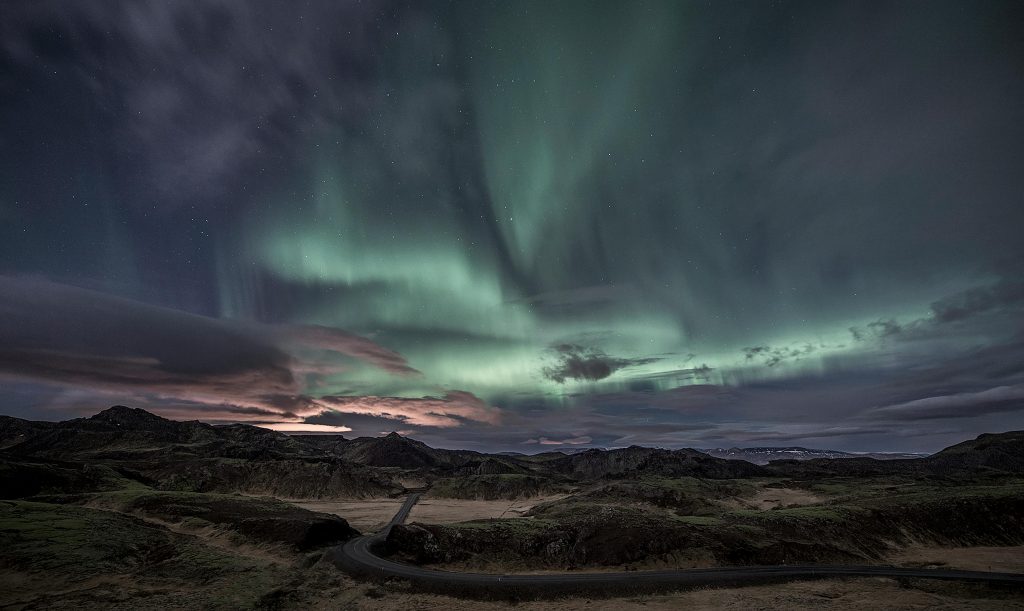
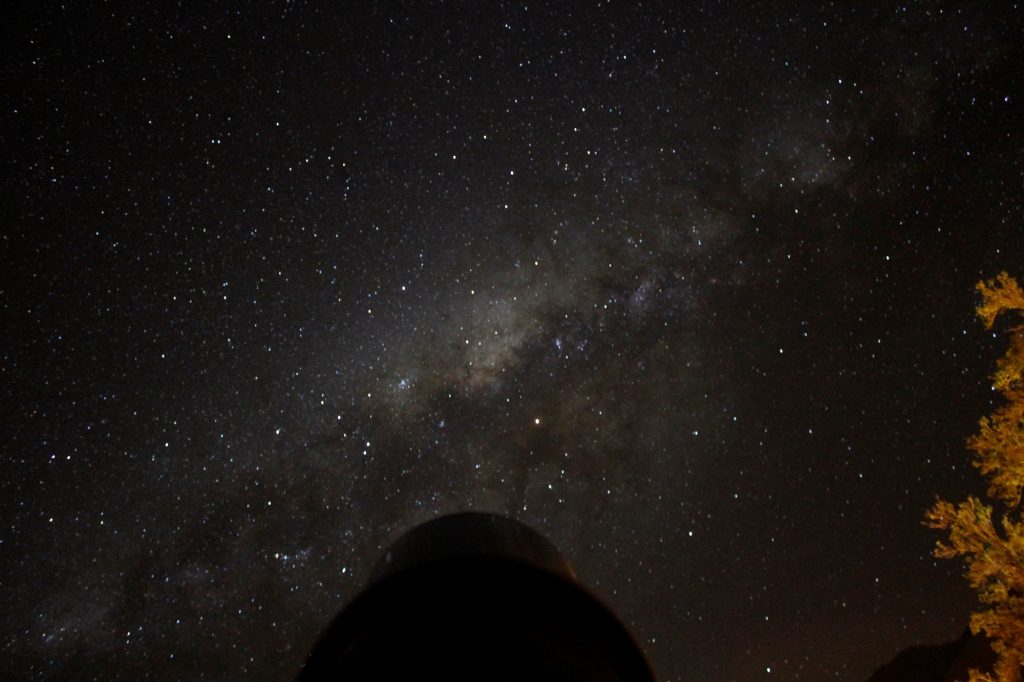
In recent years, this form of tourism has seen remarkable growth. With more than half of the global population unable to see the Milky Way from their home regions due to light pollution, people are increasingly drawn to destinations where the night sky remains unspoiled. Social media has amplified this fascination, with astrophotography showcasing glowing auroras, meteor showers, and the Milky Way in ways that inspire people to seek out these experiences for themselves. The trend accelerated after the COVID-19 pandemic, as travelers began to search for slower, more meaningful journeys that reconnect them with nature and the cosmos.
According to Dark Sky International, “The night sky is humanity’s shared heritage. Protecting it is as much about cultural identity as it is about science” (Dark Sky International, 2023).
The number of certified dark-sky reserves, parks, and communities has more than doubled since 2017, reflecting a growing awareness of the need to preserve the night sky for future generations.
Astro travel offers far more than stargazing. It reconnects people with nature in one of its most ancient forms, recalling the stories and myths that every culture has once told about the stars. Spending nights under a sky filled with constellations, nebulae, and distant galaxies creates a sense of wonder that modern city life rarely allows. For many travelers, the experience is meditative and therapeutic, a rare opportunity to escape from screens and rediscover silence and perspective.
As NASA has noted, “Looking up at the night sky can provide a profound sense of connection, reminding us that we are part of a much larger cosmic story” (NASA, 2021).
Others are drawn by its educational value, as astronomy guides and observatories help visitors understand celestial phenomena, the science of light years, or the formation of galaxies. Many destinations also weave cultural narratives into the experience, with indigenous communities sharing sky myths and local traditions tied to celestial observation.
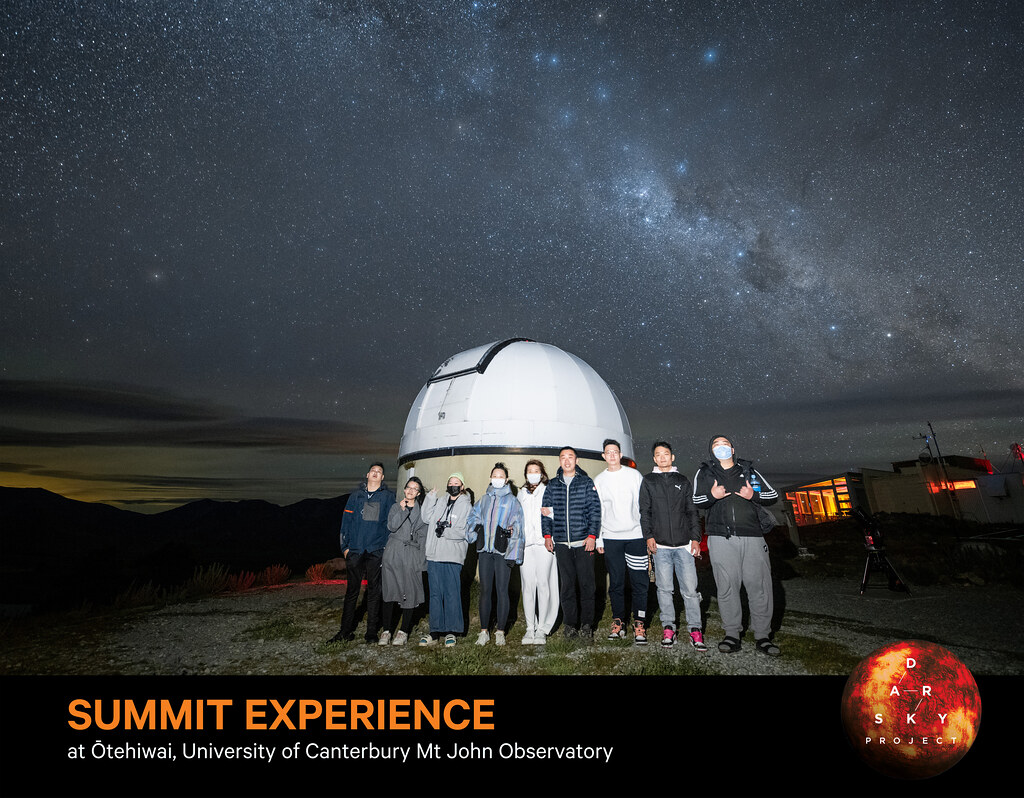
Around the world, certain regions have become magnets for astro travelers. In India, Hanle in Ladakh has recently been declared the country’s first Dark Sky Reserve and is also home to the Indian Astronomical Observatory. Chile’s Atacama Desert, with over 300 clear nights each year, offers some of the world’s most extraordinary conditions for astronomy and hosts the ALMA Observatory. In Hawaii, the summit of Mauna Kea provides high-altitude stargazing alongside cultural storytelling rooted in Polynesian traditions. New Zealand’s Aoraki Mackenzie region is one of the largest Dark Sky Reserves on the planet, offering guided tours of Mount John Observatory. Northern Scandinavia, particularly Kiruna and Abisko in Sweden, attracts travelers eager to witness the Northern Lights against the backdrop of Arctic skies. Even within India, places like Jaisalmer and the Rann of Kutch provide desert landscapes where constellations and planetary alignments can be seen with unusual clarity.
The movement is also supported by organizations and initiatives working to make the night sky more accessible. Dark Sky International leads the way in certifying dark-sky locations and raising global awareness about the harmful effects of light pollution. In India, community-led projects such as Astrostays in Ladakh have given local women the opportunity to host visitors, combining hospitality with telescope sessions and cultural storytelling. Other initiatives, such as Astrotourism India and global programs like Astronomy on Tap, are making astronomy education and celestial experiences available to wider audiences. As the United Nations Office for Outer Space Affairs highlights, “The preservation of dark and quiet skies is vital for astronomy, for biodiversity, and for the well-being of human communities worldwide” (UNOOSA, 2022). Luxury hospitality brands have also embraced this trend, curating experiences around eclipses, lunar events, and planetary alignments.
Preparing for an astro travel experience requires some planning. Clear skies are essential, so travelers often plan around the new moon phase for the best visibility of stars and galaxies. Stargazing apps and portable telescopes can enrich the experience, though even the naked eye can be enough in the right setting. Remote locations often mean cold nights, whether in deserts or at high altitudes, making warm clothing and patience important. Certified dark-sky sites are the most reliable way to ensure minimal interference from artificial light, though weather conditions may require travelers to stay several nights to witness the clearest skies.
As astronomer Brian Cox once explained,
“When you look at the night sky, you are looking back in time. Stargazing is a direct connection to the history of the universe” (BBC Science, 2019).
Astro travel is more than a passing trend. It represents a deeper desire to reconnect with something ancient and vast, a reminder that despite human progress, we remain small under the expanse of the cosmos. By seeking out the night sky, travelers rediscover not only the beauty of the universe but also a sense of humility and perspective often lost in daily life. Watching the Milky Way sweep across the desert sky, or seeing the auroras dance over frozen landscapes, becomes a reminder that some of the most profound journeys happen when we simply look up.