
For decades, fashion was largely driven by trends. New collections arrived every season, encouraging consumers to constantly update their wardrobes. Today, however, a growing number of men are questioning this cycle. They are becoming more mindful about what they buy, why they buy it, and how their choices impact the world around them.
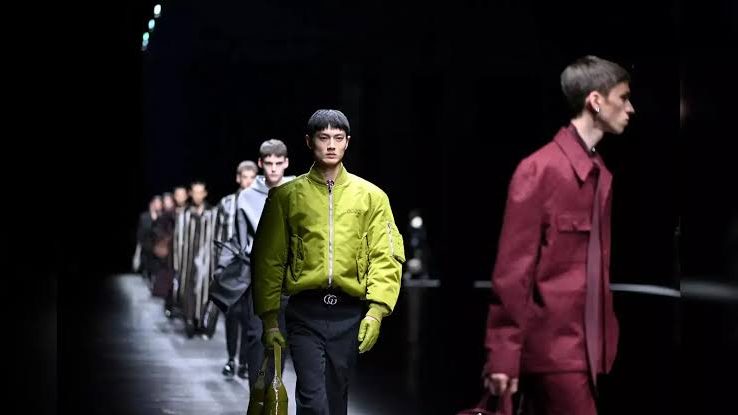
Conscious menswear is not simply about sustainability. It represents a broader shift toward intentional consumption, quality craftsmanship, and long-term value. Men are increasingly choosing garments that align with their personal values rather than chasing every passing trend.
One of the biggest conversations in this movement is the debate between fast fashion and mindful wardrobes. Fast fashion offers affordability and variety, but often at the cost of environmental impact and excessive consumption. Many garments are worn only a few times before being discarded, contributing to significant textile waste.
A mindful wardrobe, on the other hand, focuses on longevity. It encourages investing in versatile pieces that can be worn repeatedly and styled in multiple ways. Rather than owning dozens of mediocre garments, consumers prioritize fewer, better-made items that stand the test of time.
India has a unique opportunity to lead this movement through its rich textile heritage. Traditional crafts such as handloom weaving, block printing, ikat, ajrakh, and khadi embody principles of slow fashion that existed long before sustainability became a global trend. These crafts emphasize craftsmanship, durability, and a deep connection between maker and wearer.
Modern menswear designers are increasingly incorporating Indian artisanal techniques into contemporary silhouettes. A handwoven jacket, naturally dyed shirt, or thoughtfully crafted kurta can bridge the gap between tradition and modernity while supporting local communities.
Conscious fashion also encourages consumers to ask important questions. Who made this garment? What materials were used? How long will it last? These considerations shift the focus from quantity to quality and create a more meaningful relationship with clothing.
The future of menswear may not be defined by the latest trend but by thoughtful choices. As awareness grows, conscious menswear is becoming less of a niche movement and more of a new standard. It reminds us that fashion is not only about looking good—it is also about making choices that reflect our values and respect the people and processes behind what we wear.