For decades, power dressing has been associated with sharply tailored suits, luxury watches, polished shoes, and boardroom confidence. The concept emerged from the Western corporate world, where clothing became a visual symbol of authority, ambition, and success. However, in India, power dressing carries a far deeper meaning. It is not simply about looking important—it is about expressing identity, culture, confidence, and belonging.
The Indian man today stands at a fascinating crossroads. He is rooted in tradition while embracing modernity. His wardrobe reflects this duality. A crisp linen kurta can command as much respect as a bespoke business suit. A handwoven Nehru jacket can communicate confidence just as effectively as a designer blazer. In India, power dressing is no longer confined to formal Western silhouettes; it has evolved into a language of self-expression.
Historically, clothing has always represented status and influence in Indian society. Kings and noblemen showcased their power through rich textiles, intricate embroideries, and distinctive garments that reflected their region and heritage. Even today, traditional attire continues to carry an aura of authority. Whether it is a politician addressing a crowd in a white kurta-pyjama or a business leader attending a cultural event in a bandhgala, clothing remains a powerful visual statement.
Yet, modern power dressing extends beyond tradition. The rise of entrepreneurship, creative industries, and digital workplaces has redefined what authority looks like. Today’s successful man may be leading a company from a co-working space, running a startup from a café, or building a personal brand online. His clothing choices are less about adhering to rigid dress codes and more about authenticity.
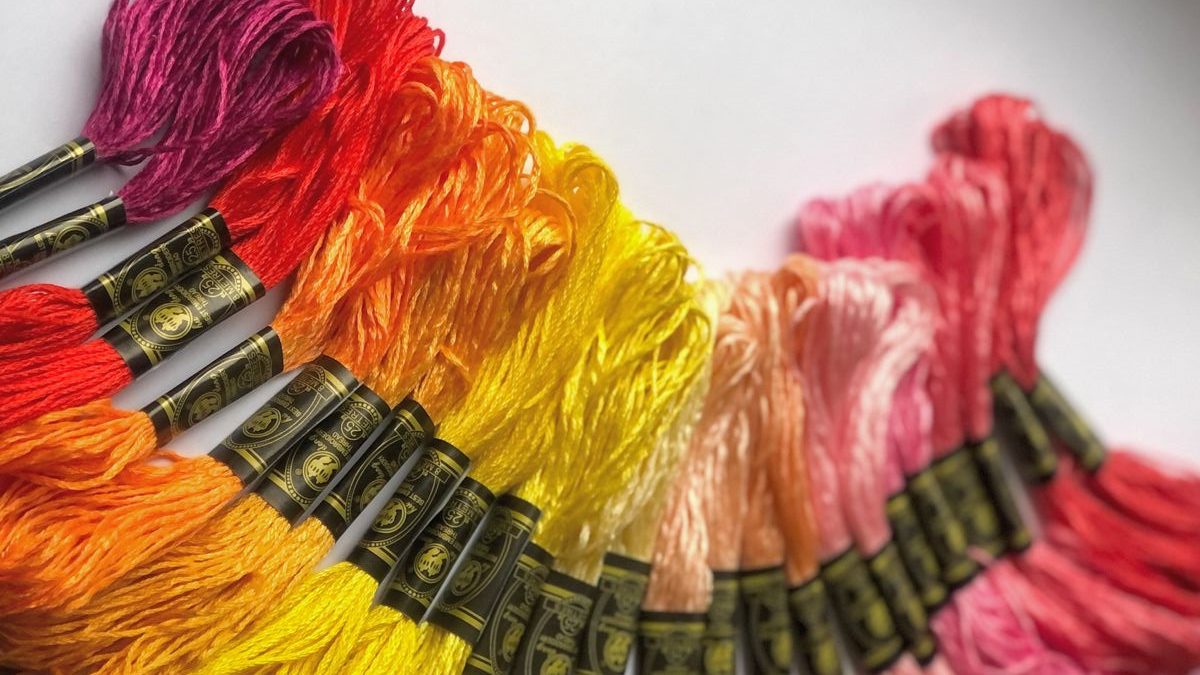
Colour also plays a significant role in Indian power dressing. While black, navy, and grey continue to dominate professional wardrobes, Indian men are increasingly embracing richer palettes. Deep maroons, emerald greens, mustard yellows, and earthy neutrals are making their way into everyday dressing. These colours not only reflect India’s vibrant cultural heritage but also challenge the long-standing belief that confidence must be dressed in monochrome.
Perhaps the most important shift is the growing understanding that power dressing begins internally. Clothing can enhance confidence, but true presence comes from self-awareness. A well-dressed man is not necessarily the one wearing the most expensive outfit; it is the one who feels comfortable, authentic, and aligned with his identity. When a man’s attire reflects who he truly is, it naturally projects confidence.
In the Indian context, power dressing is no longer about fitting into a predefined image of success. It is about creating a personal narrative through clothing. It is about celebrating heritage while embracing individuality. It is about understanding that style is not merely what we wear but how we choose to present ourselves to the world.
As India continues to redefine masculinity and modern success, power dressing will evolve alongside it. The future belongs not to men who dress to impress others, but to those who dress with purpose, confidence, and authenticity. Because in the end, power is not stitched into a garment—it is woven into the person wearing it.