The US-Iran conflict, often framed as a duel between superpowers, has quietly devastated ordinary lives across two nations for over four decades. What began with the 1979 embassy hostage crisis — seen by Americans as brazen terrorism — was, for Iranians, retaliation against decades of US-backed dictatorship under the Shah. This mutual grievance set a pattern where each side’s actions hardened the other’s resolve, turning neighbors into suspects and prosperity into survival.
Civilians have borne the brunt. In 1988, the US Navy shot down Iran Air Flight 655, killing 290 people including 66 children, an incident Iranians still cite as proof of American callousness amid the Tanker War. Iran mirrored this horror in 2020 by downing Ukraine International Airlines Flight 752, mistaking it for a US warplane and killing 176 mostly Iranian civilians. More recently, a 2026 US-Israeli strike on a girls’ school in southern Iran claimed over 150 young lives, fueling generational trauma that poisons classrooms and family gatherings.
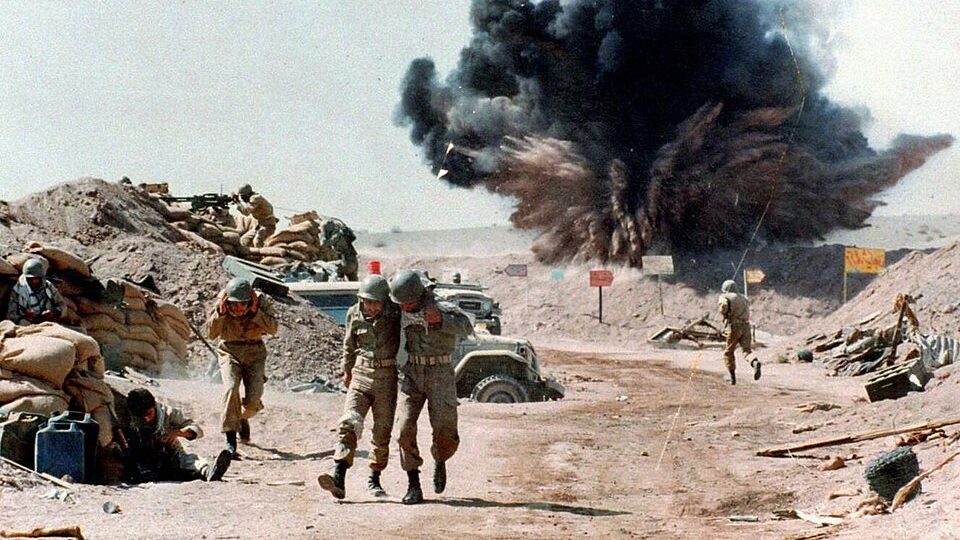
From the 1980s Tanker War — where US forces sank half of Iran’s navy while protecting Gulf shipping — to the 2000s proxy battles in Iraq, the conflict spilled into everyday spaces. Iraqi insurgents backed by Iran targeted US convoys with roadside bombs, while American invasions flanked Iran with troops in Iraq and Afghanistan, breeding fear of regime change. Families in border regions lived under curfews, lost breadwinners to drone strikes or militia rockets, and navigated economies crippled by sanctions that spiked inflation and unemployment.
In Iran, sanctions have eroded the middle class, forcing youth into black-market jobs or risky migrations, while state propaganda frames every US policy as existential threat. Americans, too, felt the echo: embassy sieges evoked 1979 humiliation, Soleimani’s 2020 killing avenged contractor deaths but escalated rocket attacks on US bases, embedding a culture of vigilance and veteran PTSD. These cycles fragment communities, where trust in government or outsiders frays, and children inherit not just history books but inherited suspicion.
Key flashpoints reveal the social toll. The 2019-2020 escalation — from militia strikes on US bases to Trump’s drone killing of General Soleimani and Iran’s missile retaliation — killed hundreds and echoed the Vincennes tragedy, reinforcing narratives of inevitable enmity. Iran’s restrained responses, like choreographed strikes on US bases in 2020 and 2025, masked domestic pressures: economic collapse from reimposed sanctions doubled poverty rates and sparked protests met with crackdowns.
In the US, endless Middle East engagements drained trillions, fueling domestic divides over “forever wars” and anti-immigrant sentiment tied to Iranian-linked threats. Both societies grapple with youth disillusionment — Iranian millennials facing jobless futures amid nuclear deal fallout, American families mourning troops lost to proxy fights — creating parallel epidemics of emigration, mental health crises, and political extremism.
As open conflict erupts in 2026, the real stakes are human: two peoples conditioned to see the other as perpetual foe, their social fabrics — education, economy, family bonds — collateral damage in a war without declaration. Diplomacy like the 2015 nuclear deal offered glimmers of normalcy, shattered by withdrawals and assassinations, leaving Iranians and Americans alike questioning if peace is possible or just propaganda. For Social Digest readers, this is a reminder that behind missile volleys lie lives forever altered, urging a focus on rebuilding trust before another generation pays the price.