
The shift toward a sustainable world is not happening in laboratories or boardrooms alone — it’s happening in classrooms, communities, and forests. At the heart of this transformation stands the Erasmus+ FORestore project, a pioneering effort linking Europe and Africa to redefine how young people are trained, connected, and empowered to lead environmental restoration efforts.
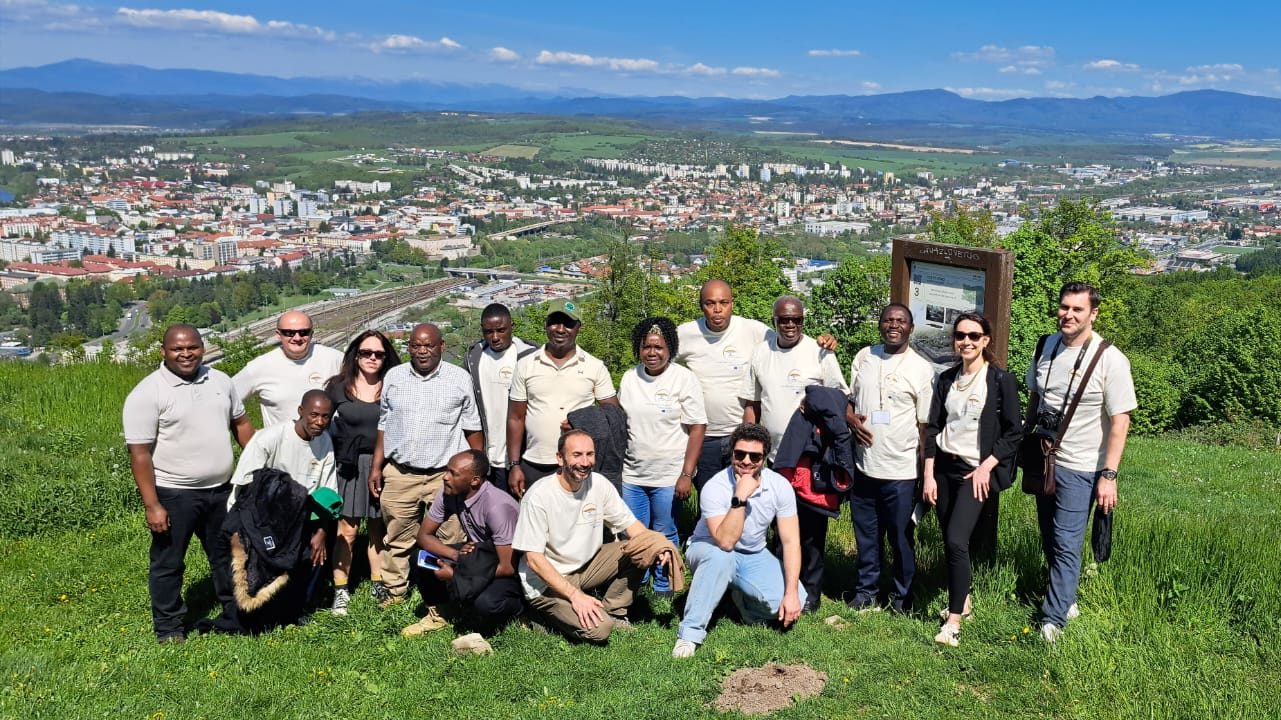
FORestore goes beyond environmental education. Its mission is rooted in social inclusion, employability, and community development — recognizing that climate action and social justice are deeply intertwined. By modernizing Vocational Education and Training (VET) systems in forestry and restoration-related fields, the project is opening doors for youth who have often been left out of the green transition.
Across Sub-Saharan Africa, millions of young people stand ready to contribute to climate resilience, yet many lack access to relevant education or practical training. FORestore seeks to close this gap by developing inclusive curricula, creating international learning networks, and fostering collaboration between educational institutions, governments, and local stakeholders.
By integrating hands-on fieldwork, digital learning, and cross-border research, the project helps youth acquire real-world competencies — from sustainable forestry and land management to biodiversity monitoring and community-led conservation. These are not just environmental skills; they are pathways to meaningful employment and civic engagement.
The project also demonstrates the social multiplier effect of green education. When young people gain environmental literacy and technical capacity, they uplift their families and local economies. A trained forester or restoration technician becomes not only a professional but also a catalyst for resilience — someone who can create jobs, support sustainable resource use, and inspire community-driven initiatives.
Many communities involved in FORestore’s network report rising local awareness about the value of forest conservation, increased participation of women and youth in environmental programs, and renewed interest in green entrepreneurship. From setting up small nurseries to engaging in tree-planting cooperatives, the social benefits ripple far beyond the project’s immediate training outputs.
What makes FORestore remarkable is its balanced partnership model. European institutions offer expertise in vocational innovation and sustainability education, while African partners contribute deep knowledge of ecosystems, cultural contexts, and community priorities. This mutual exchange ensures that outcomes are not imposed top-down but co-created and locally relevant — a vital principle for any long-term impact.
Through joint research, mobility exchanges, and stakeholder consultations, the project ensures that knowledge flows both ways. Africa’s lived experience with restoration challenges informs European sustainability strategies just as much as European pedagogical models strengthen African training frameworks.
FORestore is not just responding to the climate crisis; it is reimagining the social fabric of response. Its work connects employability with ecological awareness, showing that environmental protection is also a route to inclusion, dignity, and opportunity. In many ways, the project redefines what “green transition” means — not simply reducing emissions, but enabling people to thrive in balance with nature.
Long after the trainings, field visits, and workshops end, the project’s greatest legacy may be the communities it helps transform — communities where education nurtures confidence, cooperation, and collective purpose. Because when we teach young people to restore forests, we teach them to restore futures — their own, and those of generations to come.